If you or your child have recently received a scoliosis diagnosis, you’ve likely heard the phrase that every parent dreads: “It’s a mild curve, so let’s just watch and wait.”
For decades, that was the standard of care. We’d take an X-ray, see a 15-degree curve, and tell the patient to come back in six months to see if it got worse. To me, that has always felt like waiting for a house to catch fire before calling the fire department.
While we aren’t quite at the point where a single test replaces a clinical exam, the latest research is starting to prove what we’ve felt for years: Proactive care is better than passive observation.
The "Crystal Ball" of Scoliosis: New Biomarker Research
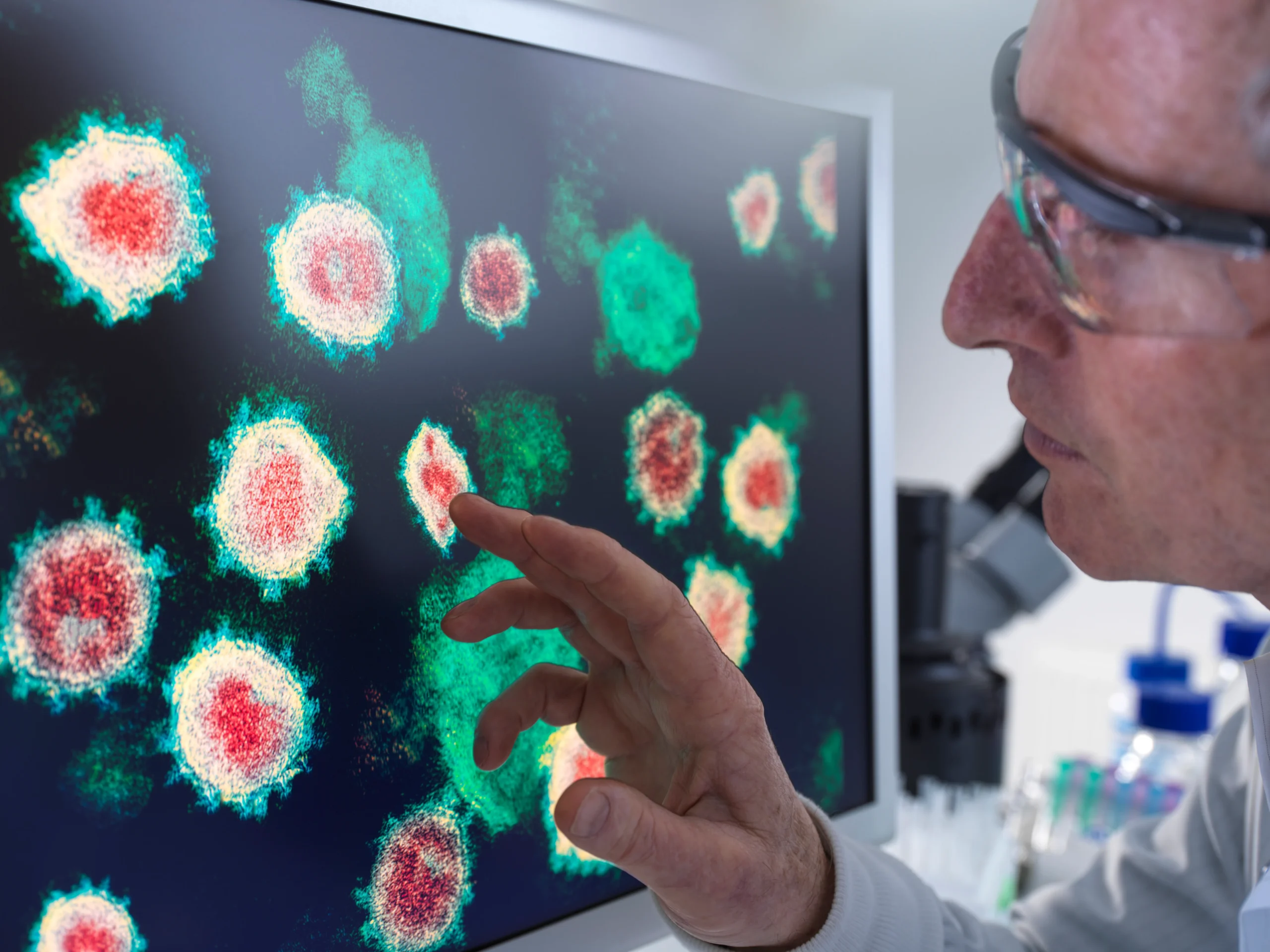
Exciting new research recently published in Frontiers in Cell and Developmental Biology (2026) has identified specific “biomarkers” in the blood—essentially biological red flags—that may eventually predict which mild curves are likely to progress and which ones will stay stable.
Wait, can I get this test today?
Not quite yet. This research is currently in the “breakthrough” stage. While it isn’t yet a standard lab test I can order at the clinic today, it signals a massive shift in the medical community. We are moving away from guessing based on an X-ray and moving toward Precision Medicine. This data suggests that the old-school “wait and watch” approach is quickly becoming outdated because it ignores the biological signals the body is already sending.
Who Needs a Brace vs. Functional Rehab?
The goal of this emerging research is to help us determine earlier than ever who needs aggressive support and who can thrive with movement-based care.
The Role of Bracing: Currently, if early indicators (like the 3D scans and growth plates we look at in our office) show a high risk of rapid progression, a custom-fitted brace is often the best tool to provide structural support during a growth spurt.
The Power of ScoliBalance: For many of my patients, the answer lies in functional rehabilitation. At Simply Move Chiropractic, we utilize ScoliBalance. Even if we aren’t using blood tests yet, we use training to teach your body how to stabilize the spine. Instead of “waiting” for a curve to get worse, we train your brain and muscles to “uncoil” the curve and find a neutral, stable position.
Why We Choose Action Over Observation
Even without a “crystal ball” blood test, we know one thing for certain: a spine in motion stays in motion. By the time a curve “progresses” enough to be noticed on a six-month follow-up X-ray, we’ve already lost precious time to build muscle memory and postural strength.
Whether it’s through targeted ScoliBalance exercises or coordinating early-intervention bracing, our goal is to maintain your spinal flexibility and keep you in control of your diagnosis.
If you’re in the Charlotte area and have been told to “just wait” on a scoliosis diagnosis, I invite you to come into the office. Let’s look at your movement, your posture, and the latest 3D data to create a proactive plan that keeps you moving—not just waiting.
FAQ
-
Is "wait and see" still the best option for mild scoliosis?
While it was once the standard, the latest research suggests that "watchful waiting" often misses the window for the most effective intervention. We believe in being proactive with functional rehab as soon as a curve is identified.
-
What is ScoliBalance?
ScoliBalance is a functional rehabilitation program that combines the best of the Schroth Method with modern physiotherapy principles. It’s designed to help scoliosis patients improve their posture and spinal stability through specific, guided exercises tailored to their unique curve.
-
Is the "blood test" for scoliosis available at Simply Move Chiropractic?
Not yet! This is the latest research currently in development. We keep a close eye on these breakthroughs so we can provide our patients with the most up-to-date advice, but currently, we rely on 3D postural analysis, X-ray, and functional movement exams to guide our care.
-
Where can I find a scoliosis specialist in Charlotte, NC?
Simply Move Chiropractic specializes in non-surgical scoliosis management. We focus on proactive care and functional rehab like ScoliBalance to help patients in Charlotte avoid surgery and live without limitations.