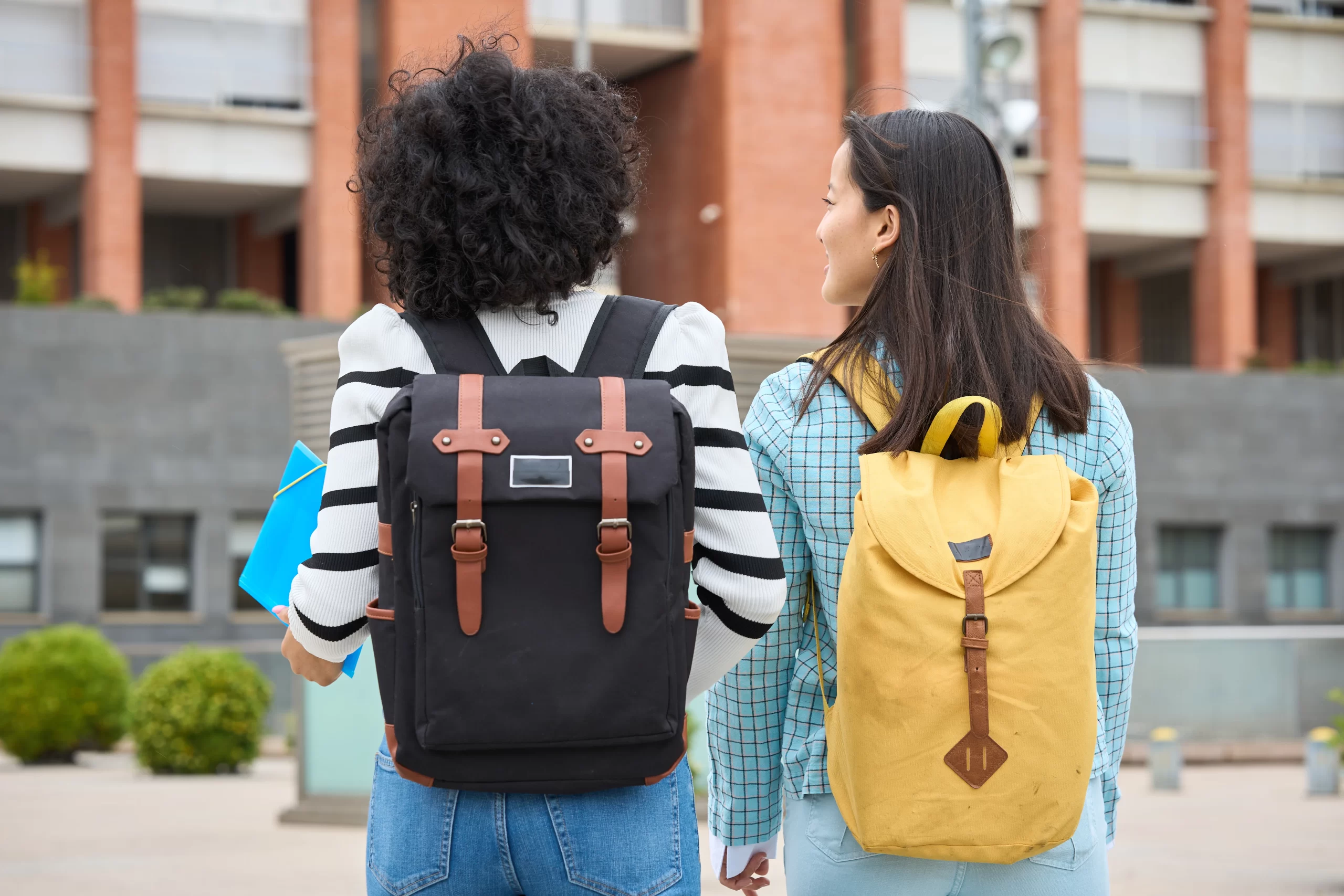
Choosing the right backpack when you have scoliosis is more about fit and load than brand. A properly fitted pack — two wide, padded shoulder straps, a contoured/padded back panel, a snug sternum strap, and a hip or tuck-away waist belt when needed — helps keep weight centered and close to your spine. Aim to keep a packed backpack to about 10–15% of your body weight (and when managing scoliosis, err toward the low end — ~10% if possible). Heavy, off-center loads, single-shoulder carrying, or long periods wearing a heavy pack increase strain and pain. PMC
Below I research the bags you listed and call out scoliosis-relevant pros and cons (empty weight/capacity and supportive features like sternum straps, load lifters, hip belts, and extra padding).
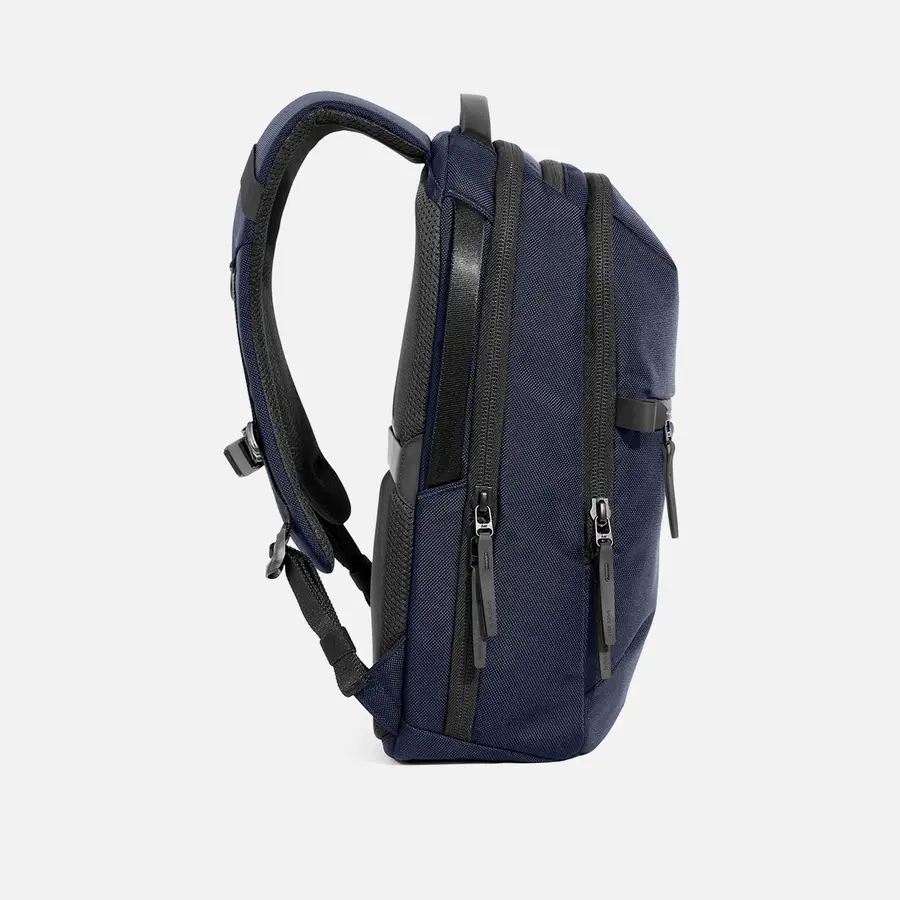
Why it’s attractive for scoliosis: Aer builds ergonomic harnesses and suspended laptop pockets that keep weight closer to the body. The City Pack 2 is fairly compact (16 L), so it naturally limits how much you can carry. Larger sizes are available. The harness includes padded shoulder straps and a sliding sternum strap for stability. Link
Pros (scoliosis view)
Small capacity (16 L) helps prevent overpacking.
Padded, contoured shoulder straps and ergonomic harness keep load close to spine.
Suspended laptop pocket reduces pressure on lower back by distributing weight better.
High-quality materials and comfortable construction — many users report excellent daily comfort.
Cons
Heavier than some minimalist packs (≈ 2.3–2.45 lbs empty) — so the bag itself adds weight.
Premium price point — described below as an expensive but very comfortable option.
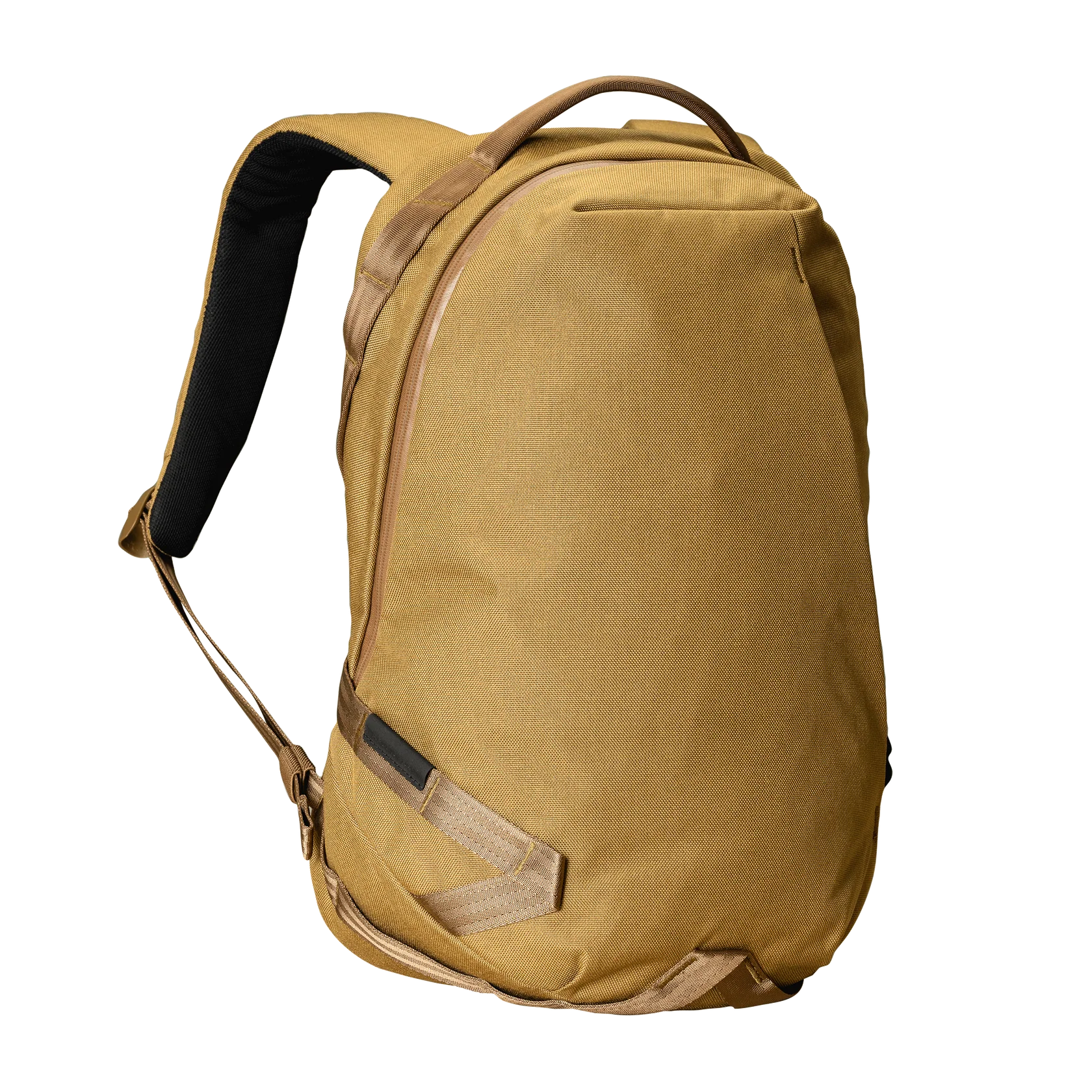
Why it’s attractive for scoliosis: Designed for everyday carry with contoured straps, molded back panel and a stowable/adjustable sternum strap. It’s praised for comfort and minimal profile while still protecting a laptop. Link
Pros
Compact 20 L capacity that discourages overpacking; empty weight ~2.1–2.6 lbs depending on version.
Contoured, wide straps and molded back panel help distribute load.
Height-adjustable/stowable sternum strap and robust build make the carry comfortable for daily use.
Cons
Sternum strap on some versions may be short for very broad chests — check fit in person.
Still a premium-priced bag — an “expensive but comfortable” option for people who prioritize ergonomics.
No formal hip-belt or heavy-load load lifters (it’s an urban EDC pack).
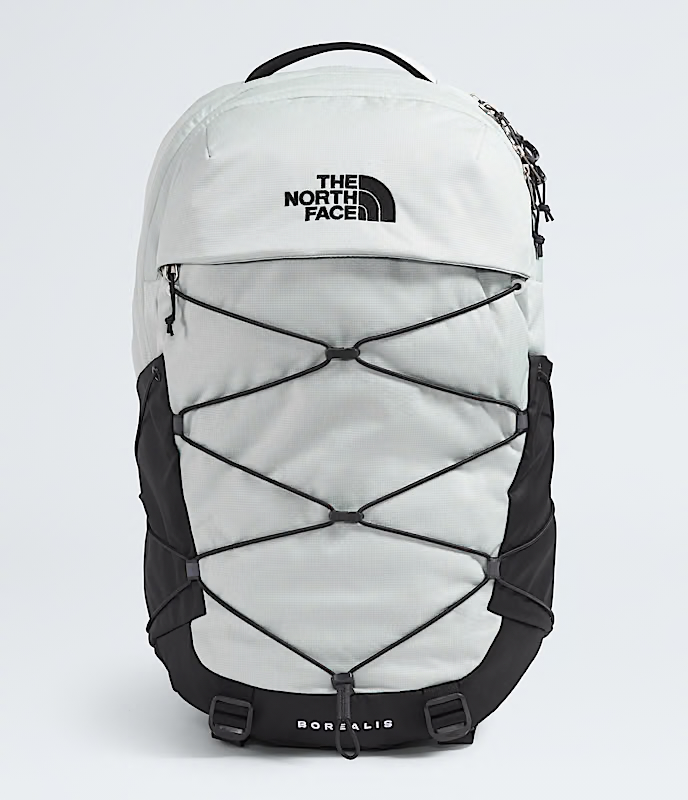
Why it’s attractive for scoliosis: Designed for students/commuters with a structured back panel, sternum strap, and removable waist belt. The Borealis balances larger capacity with features that help stabilize a load. Link
Pros
Sternum strap and removable waist belt (useful when pack weight approaches recommended limits).
Padded shoulder straps and a supportive back panel to spread load.
Larger capacity (≈28 L) — good if you need more gear but be conscious of weight.
Cons
Larger volume encourages heavier loads — which can be risky for scoliosis unless you are disciplined about weight.
Heavier overall when packed with textbooks; use hip belt and sternum strap to keep the load stable.
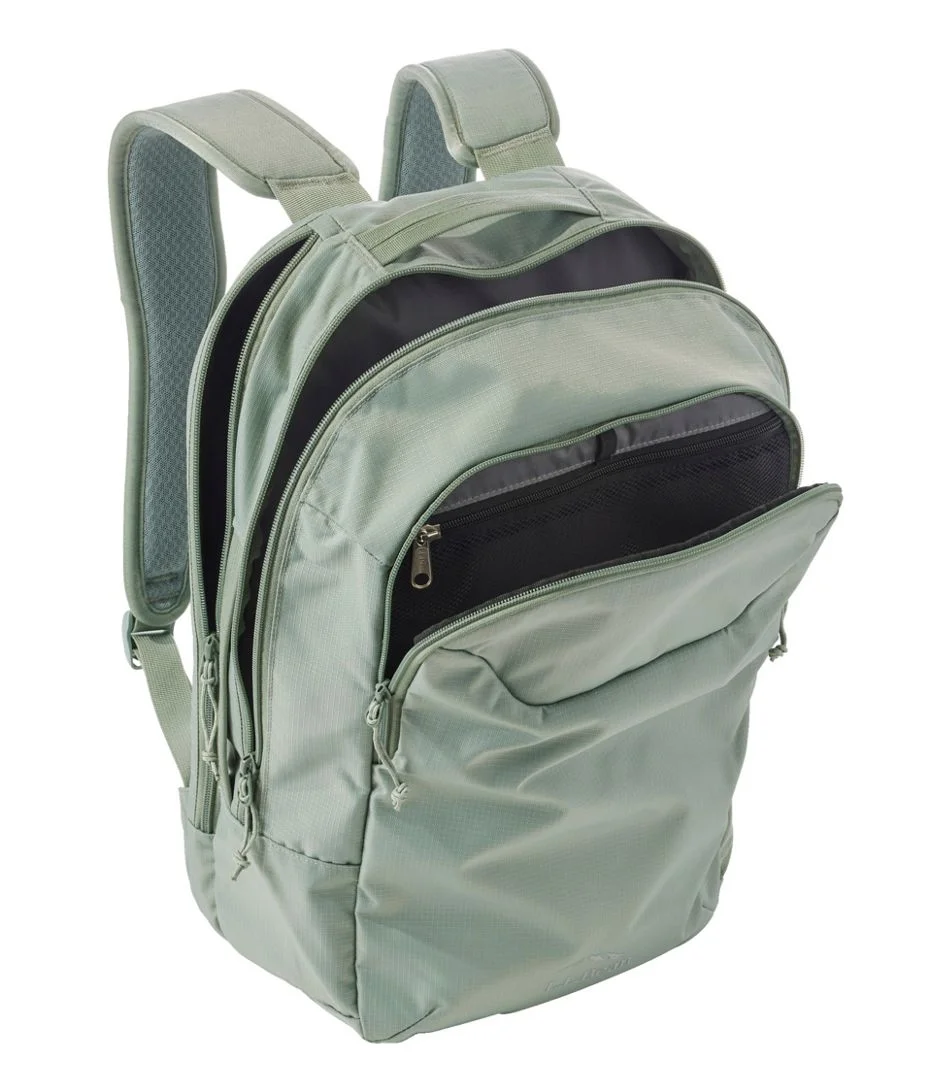
Why it’s attractive for scoliosis: Built-in features for load stabilization (adjustable sternum strap and tuck-away waist belt) plus structured padded back panel and breathable straps. Good budget-friendly choice with scoliosis-conscious features. Link
Pros
Sternum strap + tuck-away waist belt help anchor load when needed.
Structured, padded back panel and breathable straps for comfort.
24 L is a reasonable middle ground — enough room for school but not huge.
Cons
Not as refined ergonomically as the premium Aer/Able Carry harnesses.
If you overpack, the mid-size volume can still strain the back.
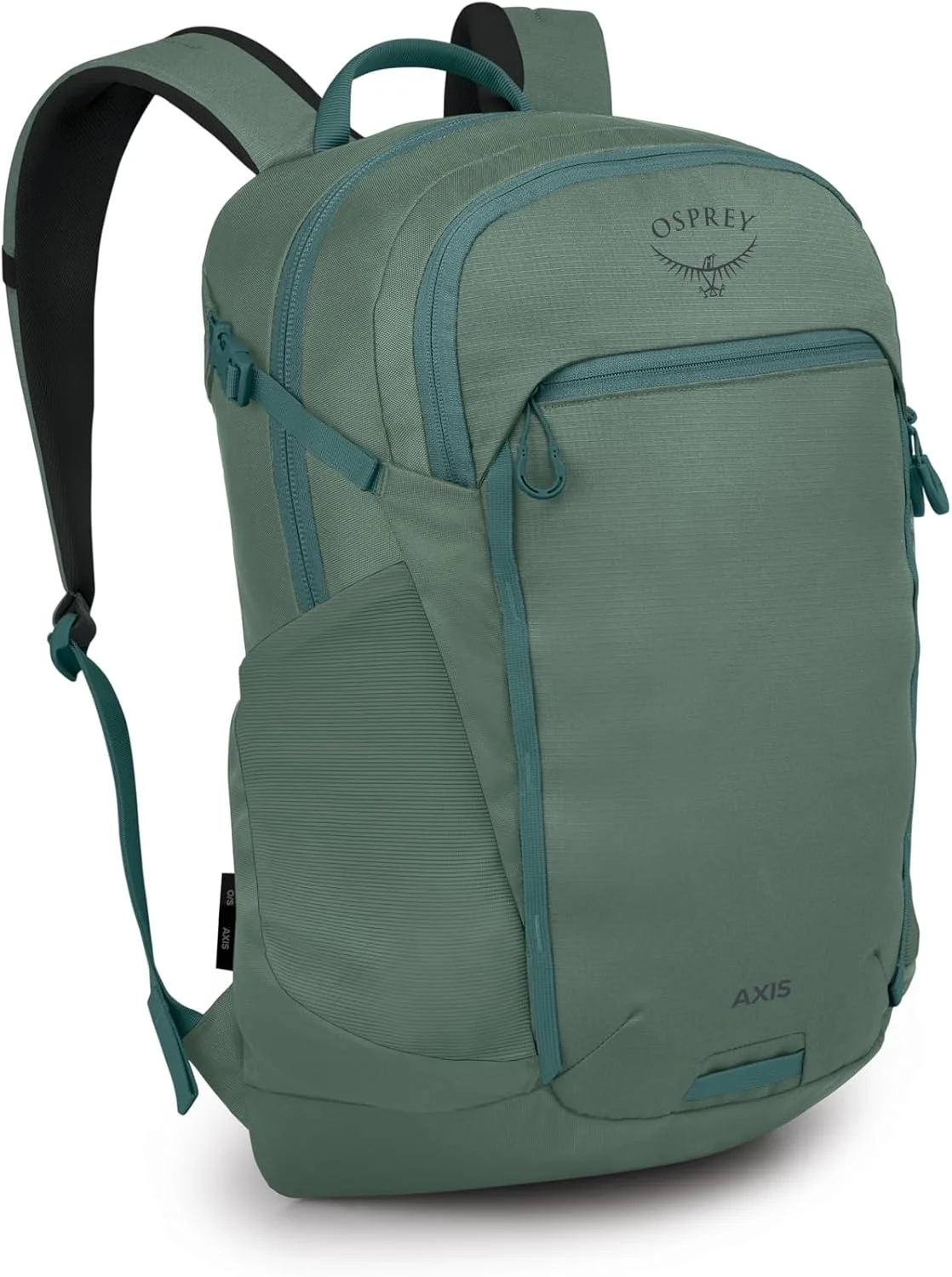
Why it’s attractive for scoliosis: The Axis 24 offers a lightweight frame, padded shoulder straps, and a mesh-covered foam back panel that helps distribute weight close to the spine. Dual upper compression straps stabilize the load, and the internal laptop sleeve sits against the back panel to keep heavier items centered. Link
Pros
Lightweight for its size (≈ 1 lb 10 oz), leaving more allowance for safe gear weight.
Foam back panel and padded shoulder straps improve comfort and reduce pressure points.
Compression straps let you cinch gear closer to the body for better stability.
Laptop sleeve placement keeps heavier tech items near your back.
Cons
Lacks a sternum strap, so shoulder straps may slide if the pack is heavily loaded.
No strong hip/waist belt — weight stays mostly on shoulders.
24 L capacity may tempt overpacking, which can strain the back if not disciplined.
Long vertical profile may feel oversized for shorter torsos.
Short guidance for people with scoliosis
Keep total packed weight low — aim for ≤10–15% of body weight, closer to 10% if you have active pain or significant curvature. Pack heaviest items close to the back and center. PMC+1
Use both shoulder straps every time; fasten the sternum strap to stop straps from sliding and use the hip/waist beltwhen the load is heavier than usual.
Consider smaller-capacity packs (16–24 L) or a rolling bag if your classes require heavy textbooks.
Comfort and weight are the most important things — these bags are suggestions, not prescriptions. Try a bag loaded to your typical gear weight before you buy; what’s comfortable for one person may not be for another. For local guidance or individualized fitting, see our clinic article on backpack safety and scoliosis on Simply Move Chiropractic’s blog.