Breast cancer treatment is life-saving, but it can also bring lasting physical challenges. Surgery, radiation, chemotherapy, and reconstructive procedures often leave the body with tight, painful, or restricted areas—especially in the chest, shoulder, and upper back. Many patients notice limited range of motion, persistent tension, and even numbness or pulling sensations long after treatment ends.
At Simply Move Chiropractic, I understand that recovery doesn’t stop when cancer treatment is over. Regaining strength, flexibility, and comfort is an important part of long-term healing. I offer gentle, evidence-based therapies—including Active Release Technique (ART), shockwave therapy, red laser therapy, and combination red laser/shockwave treatments—to help reduce tension, improve movement, and promote tissue repair.
Let’s take a closer look at the muscular and tension-related issues breast cancer survivors often face, and how our therapies can support recovery.
Common Muscular and Tension Issues After Breast Cancer Treatment
Scar Tissue and Fascial Tightness
After surgery—especially mastectomy, lumpectomy, or reconstruction—the body forms scar tissue as part of the healing process. While normal, scar tissue can bind layers of skin, muscle, and fascia together, creating stiffness and restricting motion in the shoulder, chest wall, or arm. Many patients describe a “tight band” feeling under the arm or across the chest.Postural Changes and Muscle Imbalance
Protective posturing (such as rounding the shoulders or limiting arm movement due to discomfort) can lead to muscle imbalances. Over time, this can cause tension in the upper back, neck, and shoulder muscles—often leading to headaches or nerve irritation.Lymphedema and Soft Tissue Swelling
Lymph node removal or radiation can disrupt normal lymphatic drainage, resulting in swelling and increased pressure in the surrounding tissues. This can worsen muscle tightness and reduce flexibility.Nerve Entrapment or Sensitivity
Surgical scars or radiation can cause nerves to become irritated or trapped in tight fascia or muscle layers. This may present as tingling, burning, or shooting pain in the chest or arm.Radiation Fibrosis
Radiation therapy can cause long-term tissue changes called fibrosis, where muscles and connective tissues lose elasticity. This makes stretching and normal movement more difficult and sometimes painful.
My treatment plans are always customized, but many patients benefit from a combination of hands-on therapy and advanced technology to help the body move and heal more freely.
Active Release Technique (ART) is a precise, hands-on therapy designed to locate and release areas of scar tissue and tension in muscles, tendons, and fascia.
During ART, I use my hands to gently move a muscle through its range of motion while applying focused tension to restricted areas. This helps break down adhesions and restore normal tissue glide.
For post-breast cancer patients, ART can:
Improve shoulder mobility after mastectomy or reconstruction.
Release tight fascia under the arm or along the chest wall.
Reduce nerve entrapment sensations such as tingling or burning.
Ease compensatory tension in the neck, upper back, and scapular muscles.
ART is performed slowly and carefully, respecting surgical sites and patient comfort. Over time, it helps restore natural, pain-free movement.
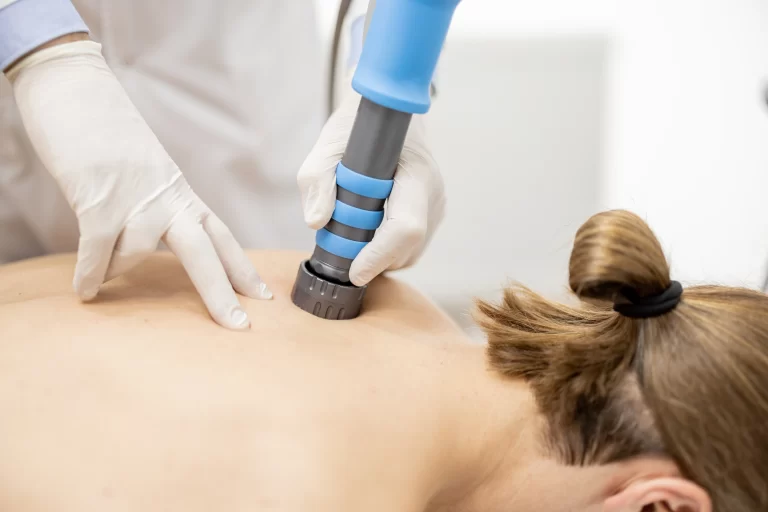
Extracorporeal Shockwave Therapy (ESWT) uses high-energy sound waves to stimulate healing in damaged or tight soft tissues. Though originally used for tendon injuries, research has shown it can be beneficial in reducing fibrotic tissue—which is common after radiation or surgery.
Because shockwave is non-invasive, sessions are well tolerated and can be adjusted to match sensitivity levels.
In post-breast cancer recovery, shockwave can be especially helpful around the chest wall, pectoral muscles, and axillary (underarm) region—where tightness often limits arm movement.
Shockwave therapy can:
Break down fibrotic adhesions, improving tissue elasticity.
Increase local blood flow, supporting healing and oxygen delivery.
Reduce chronic pain, especially in areas of long-term tightness.
Stimulate collagen remodeling, helping scar tissue become more flexible.
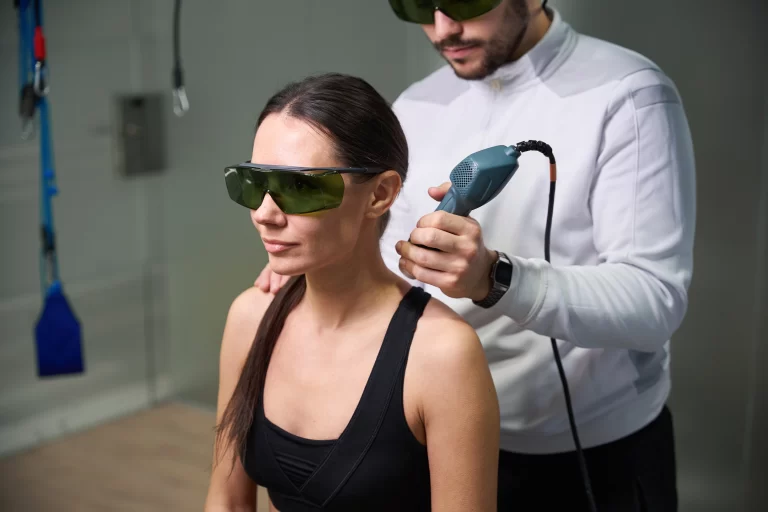
Red laser therapy (also known as low-level laser therapy or photobiomodulation) uses specific wavelengths of light to stimulate cellular repair and reduce inflammation.
The gentle red light penetrates into muscles, fascia, and skin, promoting ATP (cellular energy) production and improving microcirculation.
Red laser therapy is completely non-invasive, painless, and can be safely applied around surgical areas (after appropriate healing time). Many patients find it soothing and notice improved range of motion and comfort after a few sessions.
Benefits include:
Reduced inflammation and swelling, particularly after radiation or lymphatic disruption.
Improved tissue repair and regeneration in scarred or fibrotic areas.
Pain relief through natural endorphin release and decreased nerve sensitivity.
Support for lymphatic drainage by improving microvascular function.
I also offer combined red laser and shockwave treatments, which blend the regenerative effects of both modalities for enhanced results.
Here’s how they work together:
Shockwave therapy first breaks up fibrotic tissue and increases cellular permeability.
Red laser therapy is then applied to accelerate healing and reduce residual inflammation.
This one-two approach can:
Loosen stubborn scar tissue while supporting rapid recovery.
Reduce chronic chest or shoulder tightness after surgery or radiation.
Enhance lymphatic and blood flow, improving tissue health.
Speed up overall mobility gains when combined with gentle stretching or ART.
Patients often describe the combination as a “reset” for tight tissues—helping them move more freely and comfortably than they have in months or even years.
What to Expect at Simply Move Chiropractic
Every patient’s recovery journey is unique. Before beginning treatment, we perform a thorough assessment to understand your history, current symptoms, and goals. If needed, I communicate with your oncology or surgical team as needed to ensure safety and coordination.
A typical recovery plan may include:
Gentle ART sessions to release specific restrictions.
Targeted laser and/or shockwave therapy to reduce pain and promote healing.
At-home stretching and mobility exercises designed for your stage of recovery.
Postural and ergonomic guidance to prevent recurrence of tension.
Most patients notice gradual improvements in range of motion, decreased tightness, and better overall comfort within several sessions.
Taking the Next Step Toward Full Recovery
Healing after breast cancer is about more than surviving—it’s about thriving. At Simply Move Chiropractic, my mission is to help you move with confidence, comfort, and strength again.
If you’re experiencing tightness, pulling, or loss of mobility after breast cancer treatment, you don’t have to live with it. Our advanced therapies—ART, shockwave, red laser, and combination treatments—are safe, effective, and tailored to your needs.