At Simply Move Chiropractic here in Charlotte, I see many patients who come in with stubborn neck pain, shoulder tension, or tingling in the arm. These symptoms often point to a cervical disc herniation—a condition that can make even simple tasks like looking over your shoulder or sleeping comfortably a challenge.
Understanding Achilles Pain
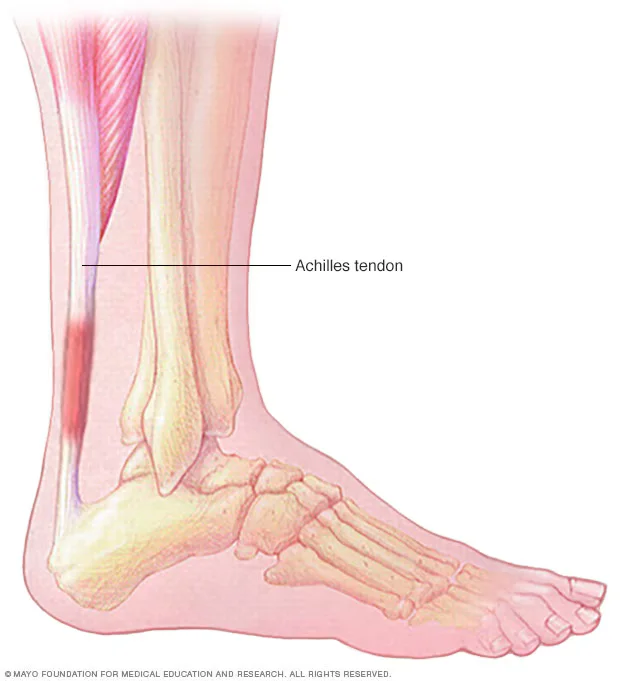
I’ve helped many patients in Charlotte, NC overcome Achilles tendinopathy (often spelled tendonopathy), a condition marked by pain, stiffness, and sometimes swelling in the Achilles tendon that connects calf muscles to the heel. Typically, the onset is gradual, and the pain tends to be worse at the start of activity and may ease with movement.
Achilles tendinopathy refers to a degenerative condition (tendinosis) or inflammation (tendinitis) of the tendon. It’s most often triggered by overuse—especially running—or biomechanical factors like poor blood supply, tight calf muscles, or improper footwear.
Not all herniations are the same. Some are small and cause mild discomfort, while others are large enough to produce significant nerve compression and neurological symptoms. The location of the herniated disc—often at C5-C6 or C6-C7—will determine the specific pattern of pain or weakness.
How Is It Diagnosed?
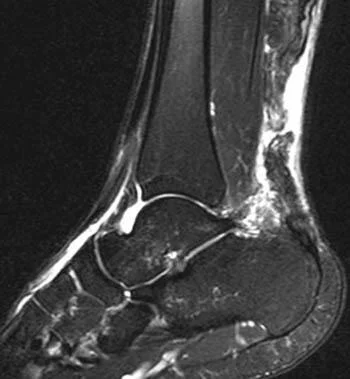
I typically begin with a detailed history and physical exam. I check for localized tenderness, range of motion, and strength. If needed, I may refer for imaging:
Ultrasound to evaluate tendon thickness or tears
MRI for detailed views and to rule out other conditions like bursitis or partial rupture.
Symptoms to Watch For
Common symptoms include:
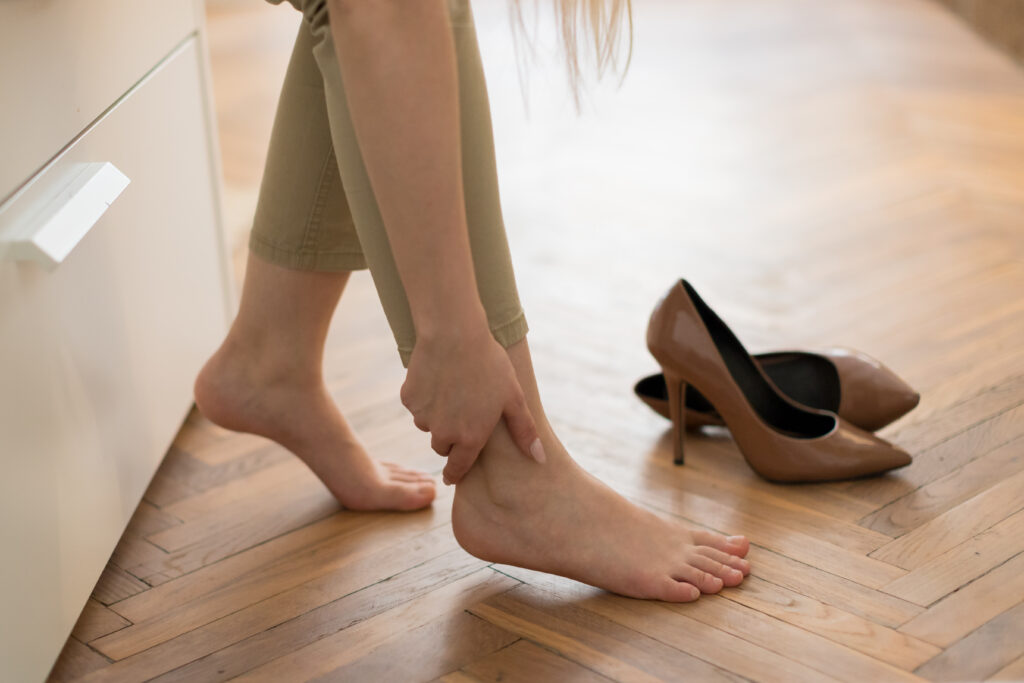
Tenderness, aching, or burning along the back of the ankle
Swelling or stiffness, particularly in the morning or after rest Wikipedia
Pain that is worse at the beginning of activity but may improve with movement
Red flags that warrant urgent attention:
Sudden sharp pain, bruising, or inability to walk—suggesting possible tendon rupture
Numbness, extreme swelling, or signs of infection (e.g., fever, redness)
Treatment for Achilles Tendinopathy
When Surgery May Be Required
While most cases of Achilles tendinopathy improve without surgery, there are times when a surgical referral is appropriate. Surgery may be considered if:
There is a complete or near-complete tendon rupture
Symptoms persist for 6–12 months despite consistent conservative care
Imaging shows significant tendon degeneration or large calcific deposits that are limiting function
In these cases, an orthopedic surgeon may perform procedures such as debridement (removing damaged tendon tissue), tendon repair, or lengthening of the calf muscle. My role is to ensure that you receive the right referral at the right time if surgery is the safest option.
How I Treat Achilles Tendonopathy
If surgery isn’t required, I take a multi-modal, evidence-based approach to help you recover faster and reduce the risk of recurrence. My Achilles tendinopathy care plan often includes:
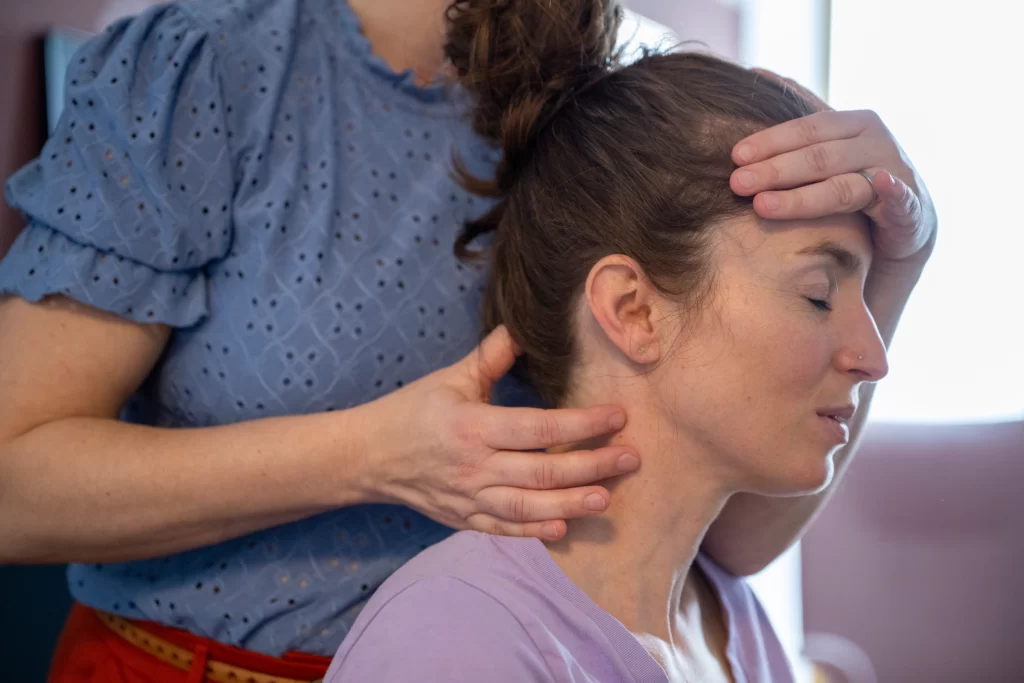
Eccentric & Loading Exercises
Eccentric calf raises and progressive tendon loading remain the gold standard for Achilles rehabilitation. I’ll guide you through a program designed to gradually strengthen the tendon and restore mobility without aggravating the injury. I also incorporate running gait analysis for athletes to address movement patterns that could be contributing to the problem.
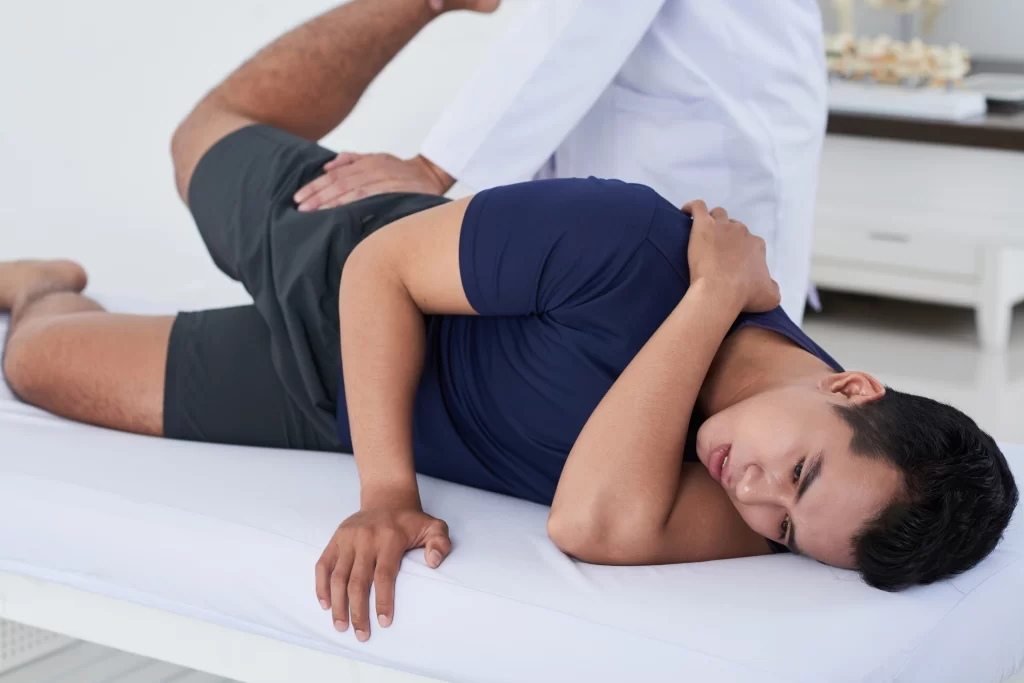
Active Release Technique (ART)
I use hands-on techniques—including Active Release Technique (ART) for the calf and surrounding muscles—to improve tissue mobility, reduce tension, and support the healing environment.
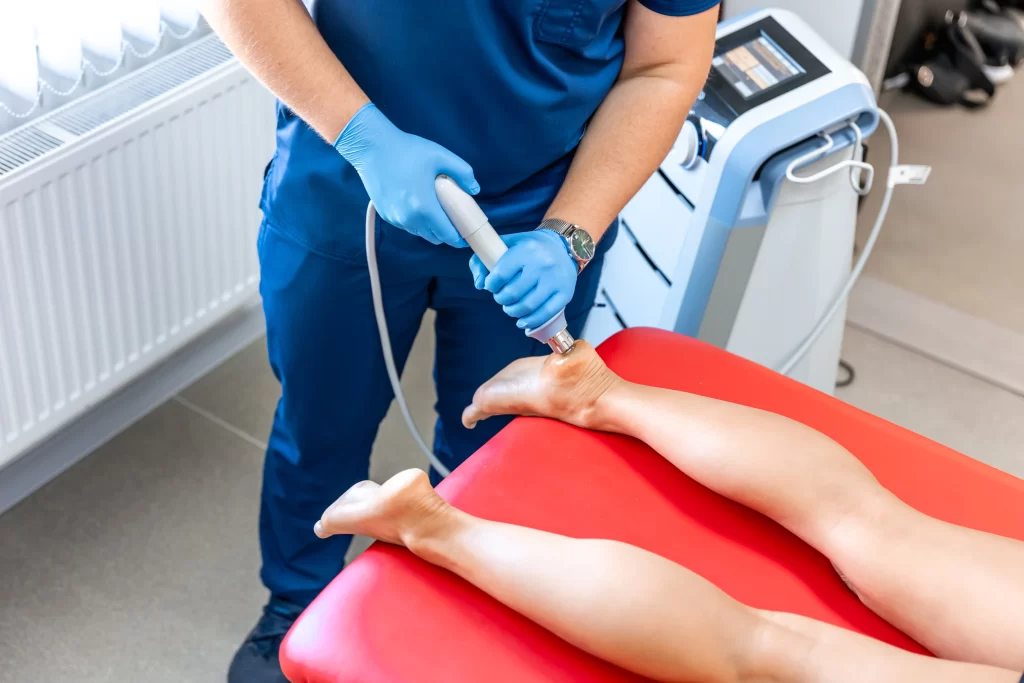
Shockwave Therapy
Shockwave uses acoustic energy to stimulate tendon healing and break up disorganized scar tissue. It’s particularly helpful for stubborn, long-term tendon pain. Evidence supports shockwave as a complementary treatment to exercise, especially when symptoms have lasted more than 3–6 months. Learn more here: Shockwave Therapy.
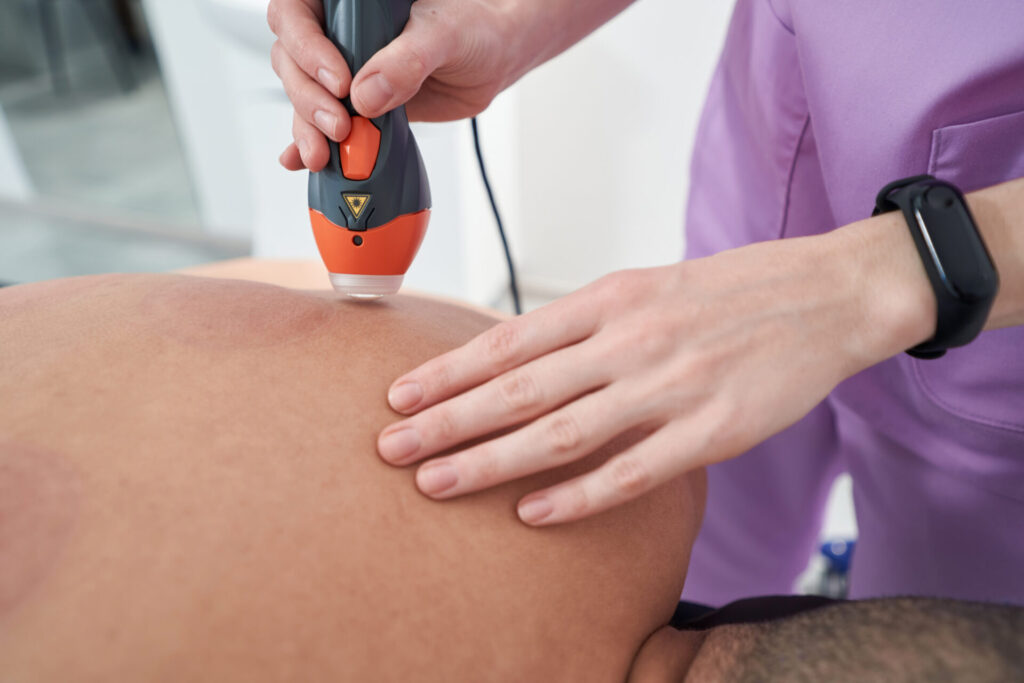
Infrared Laser Therapy
I use a Class IV dual-wavelength infrared laser to increase local circulation, reduce inflammation, and stimulate tissue healing. Research shows that when combined with an exercise program, laser therapy can improve pain and function in chronic Achilles tendinopathy. You can read more about my approach here: Infrared Laser Therapy for Achilles Tendonitis.
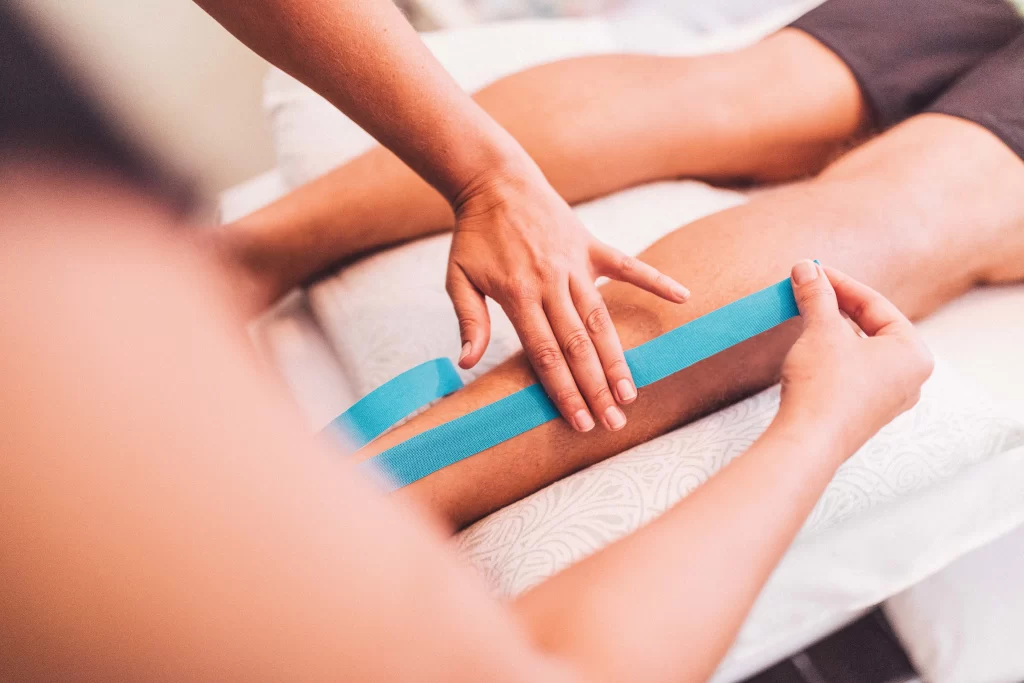
Kinesiotaping
Kinesiotape can help reduce strain on the Achilles tendon, improve proprioception, and support the tendon during activity. While it’s not a stand-alone treatment, it can provide short-term pain relief and functional support, especially when combined with exercise and load management.

Orthotics and Footwear
Depending on your biomechanics, I may suggest temporary heel lifts, custom orthotics, or footwear changes to reduce tendon strain during recovery.
Why This Approach Works
By addressing both the tendon itself and the contributing factors—such as calf tightness, gait mechanics, and load management—I can help patients not only recover from Achilles tendinopathy but also return to their activities stronger than before. This comprehensive approach blends the best available research with practical, real-world care that I’ve seen work time and time again for my Charlotte patients.