As a chiropractor, I often see how something as simple as the wrong backpack can put extra stress on a child’s spine—especially if they have scoliosis. The good news is that the right backpack, when worn properly, can make a big difference in posture, comfort, and spinal health.
Basics First
As a chiropractor, I often see how something as simple as the wrong backpack can put extra stress on a child’s spine—especially if they have scoliosis. The good news is that the right backpack, when worn properly, can make a big difference in posture, comfort, and spinal health.
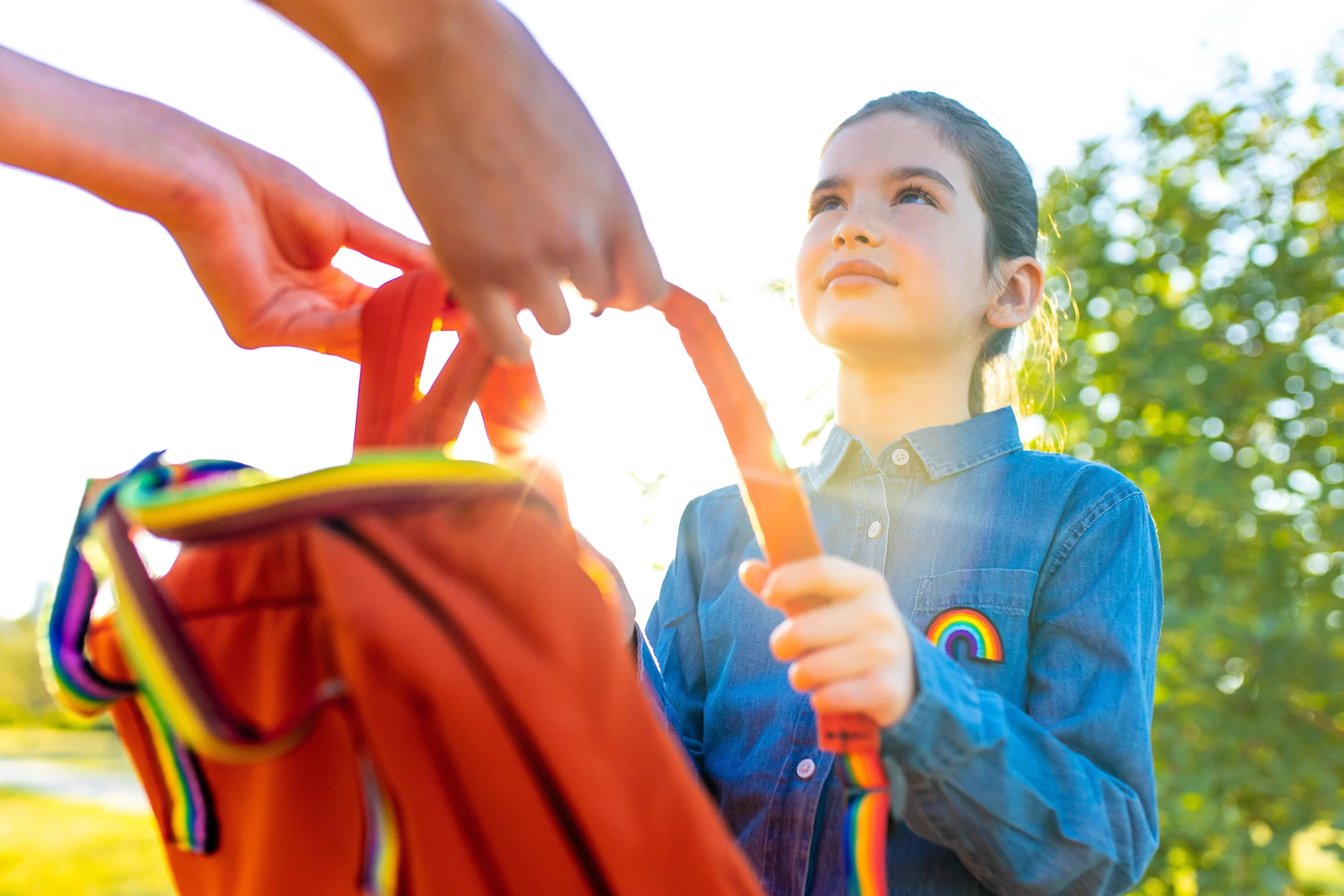
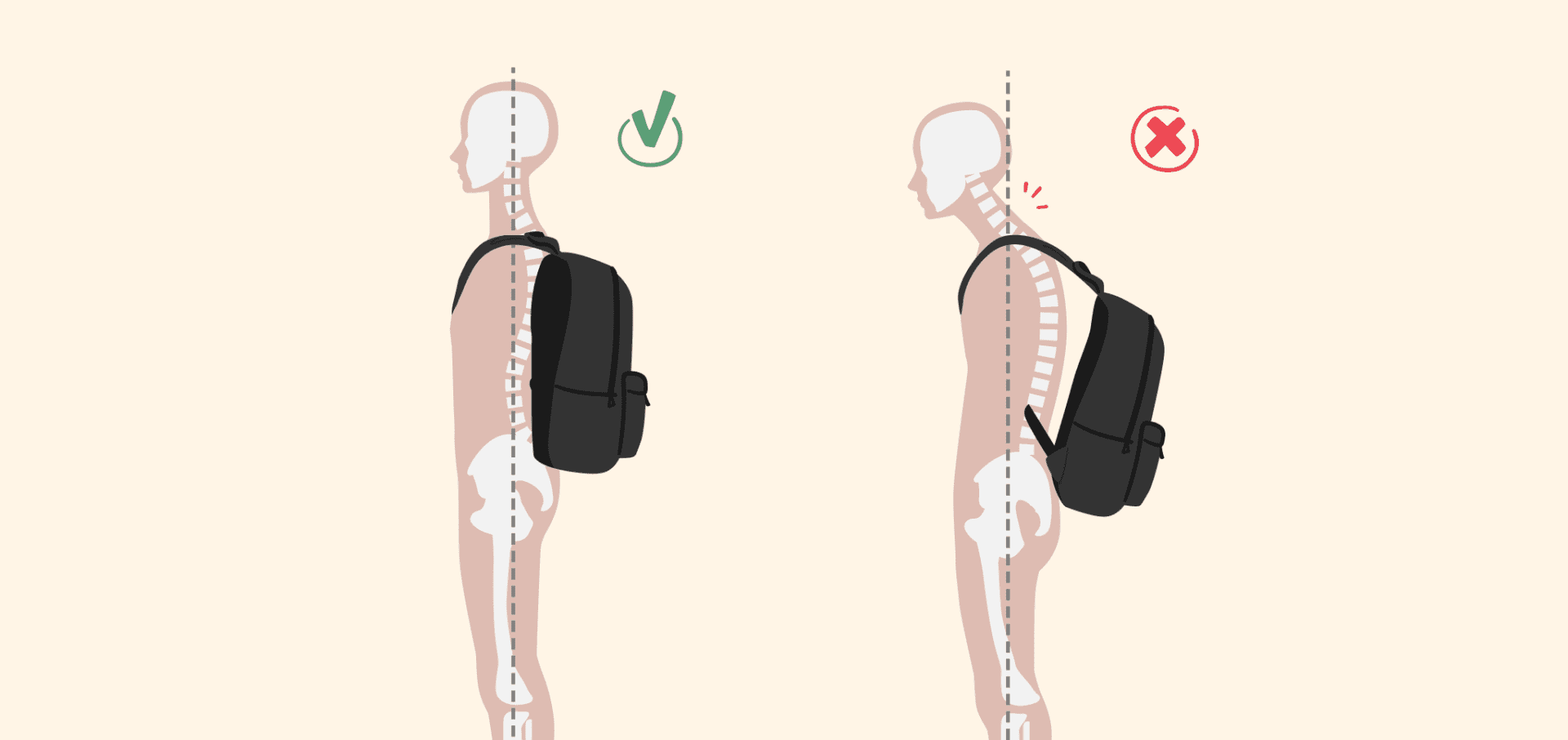
Before we get into the best backpacks, let’s start with the basics. Wearing a backpack the right way is just as important as choosing the right one. Backpacks should sit evenly across both shoulders, never slung over one side. The straps should be snug but not tight, and the pack itself should rest in the middle of the back—not sagging low near the hips. For children with scoliosis, keeping the weight under 10–15% of their body weight is essential. I go into more detail about this in my guide on backpack safety for scoliosis.
Top Backpack Picks for Kids with Scoliosis
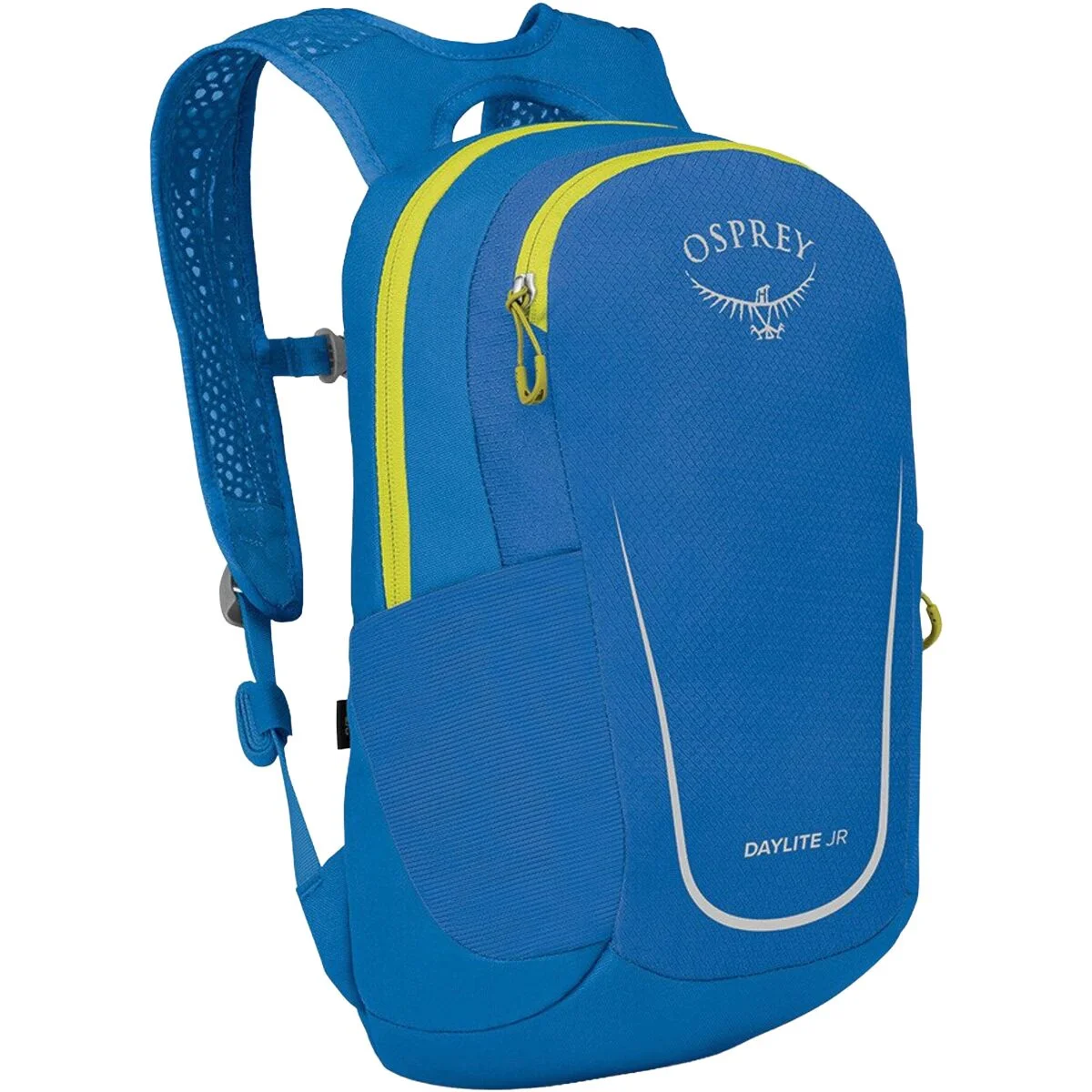
Osprey Daylite Kids’ Pack
Osprey Daylite Kids’ Pack
Osprey is known for its ergonomic design, and this pack is no exception. Lightweight and compact, it has padded shoulder straps and a sternum strap to help distribute weight evenly. Its small size keeps kids from overloading, which is perfect for those with scoliosis.
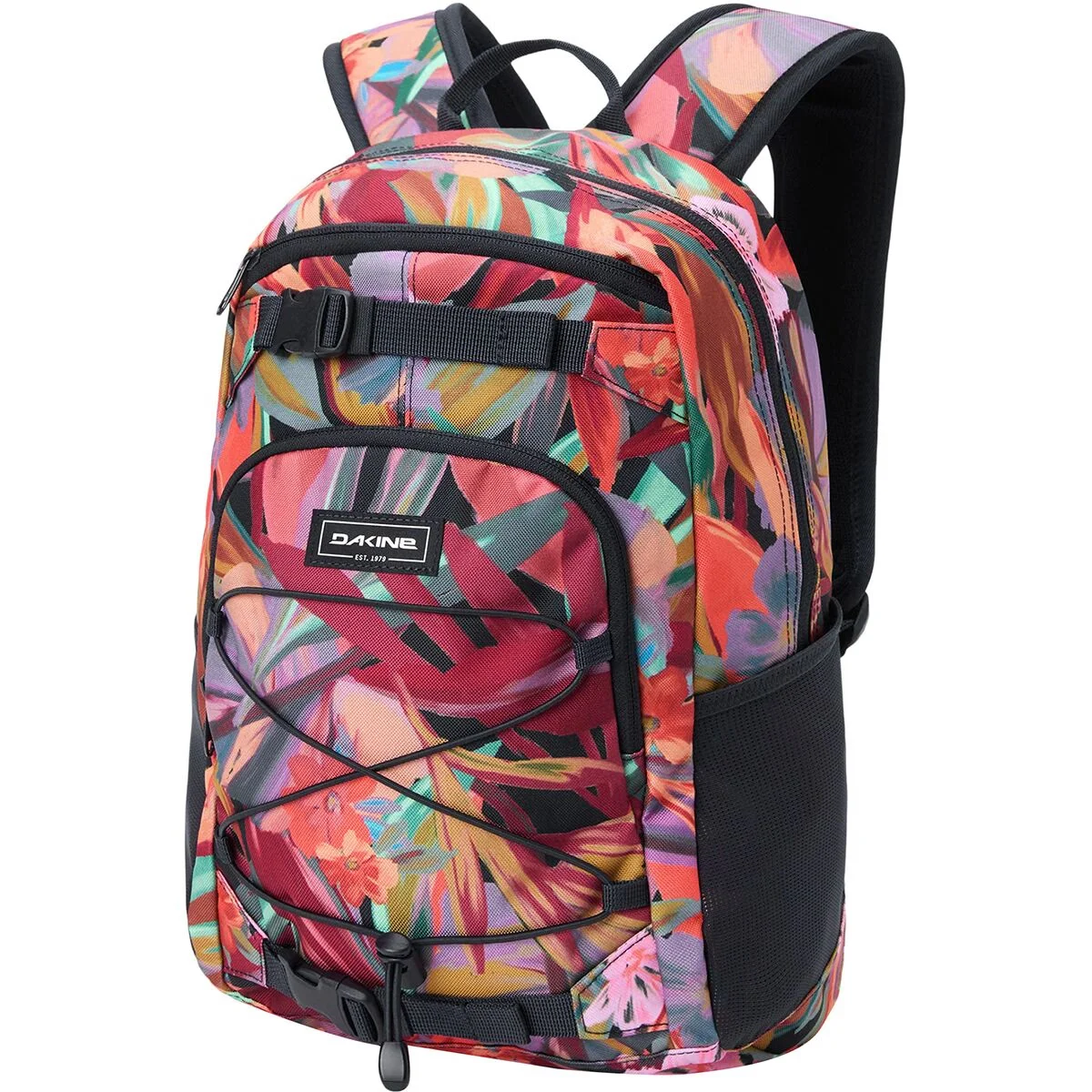
Dakine Grom Backpack
Dakine Grom Backpack
This backpack is a favorite for active kids. It includes safety reflectors, an adjustable sternum strap, and even a rescue whistle. Its design prevents slouching by keeping the load tight to the body. With a 13L capacity, it’s big enough for school essentials without encouraging overpacking.
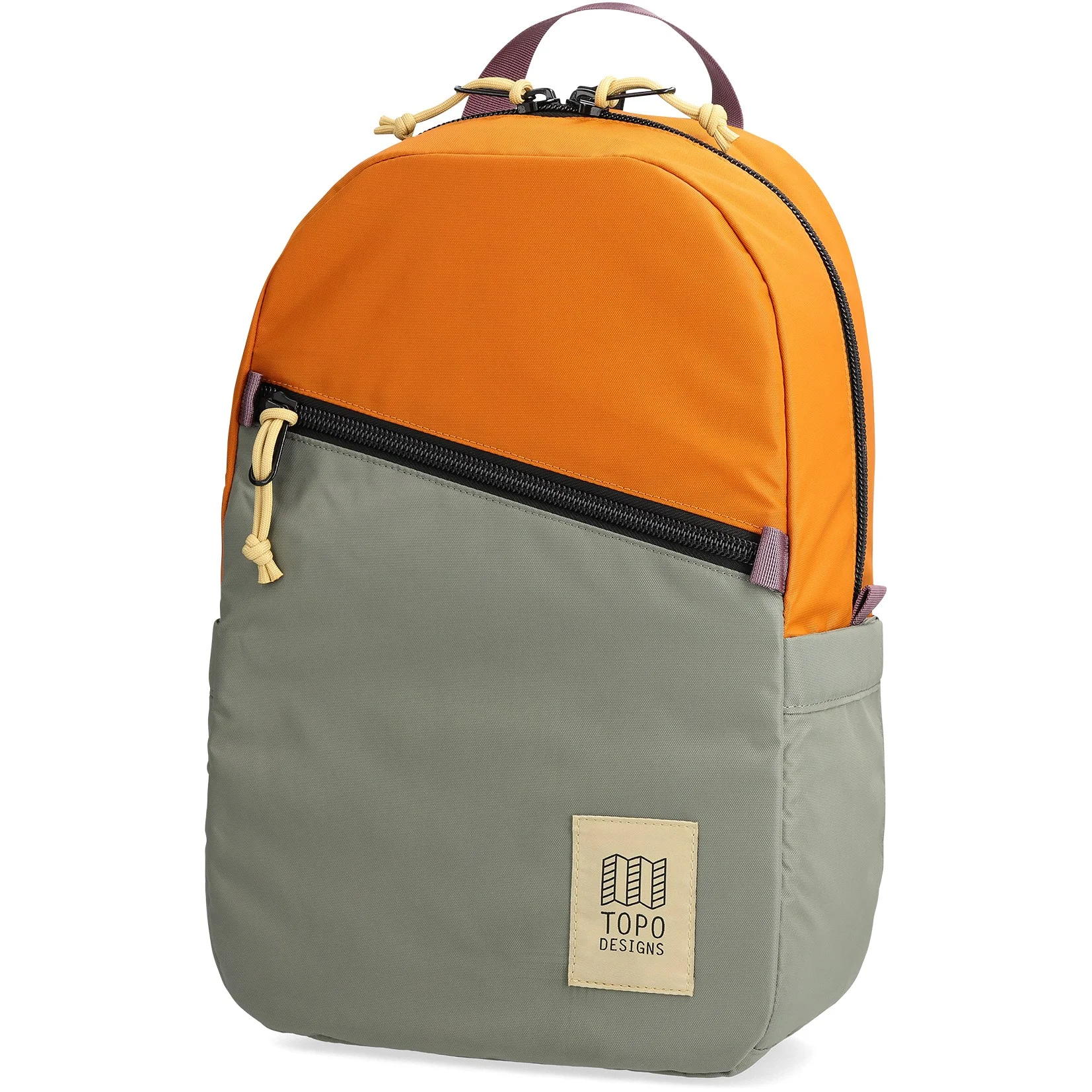
Topo Designs Light Pack
Topo Designs Light Pack
The Topo Designs Light Pack is a simple but sturdy option. It has a padded back panel and adjustable straps for comfort. I like its slim profile, which prevents excess bulk on a child’s back. It’s a great middle-ground option for older kids who need a little more space but still want lightweight support.
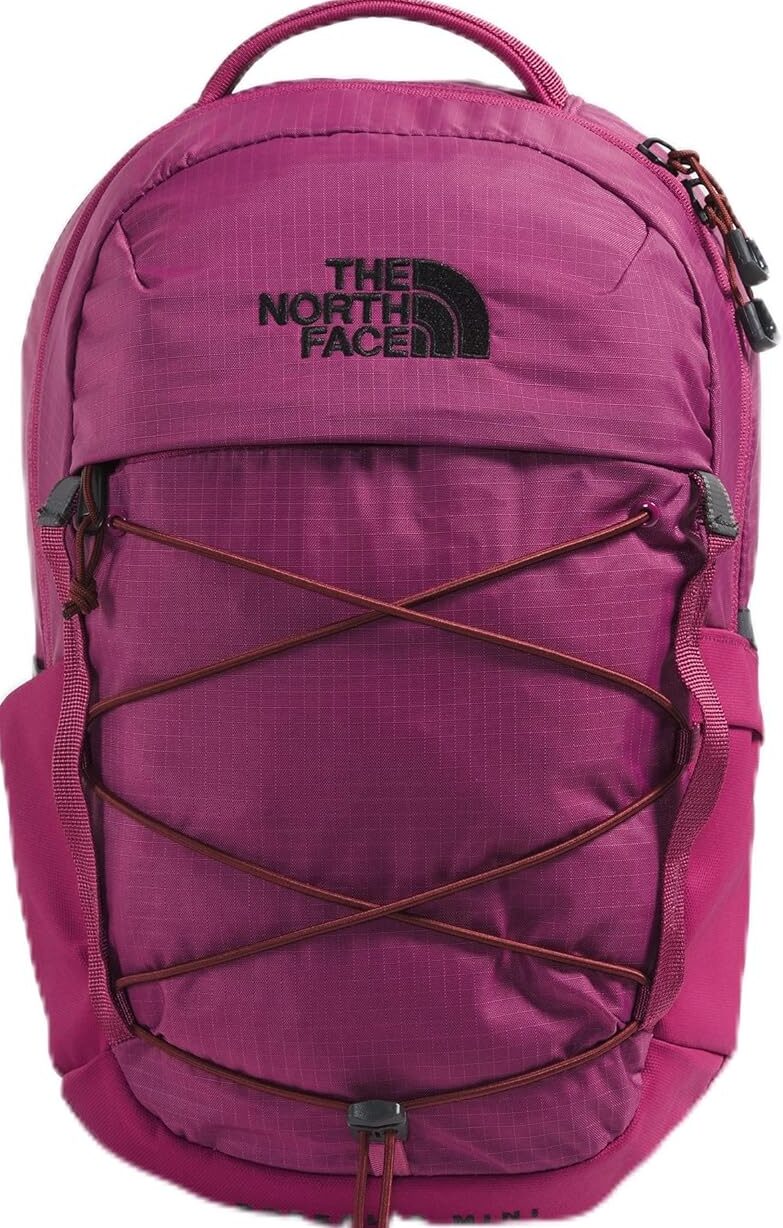
The North Face Borealis Mini Backpack
North Face Borealis Mini Backpack
This mini version of the classic Borealis has great ergonomic features, including padded straps and a sternum strap. The bungee cord system on the front makes it easy to carry extras without overstuffing the main compartment. For scoliosis, the structure of this backpack helps prevent twisting or uneven loading.
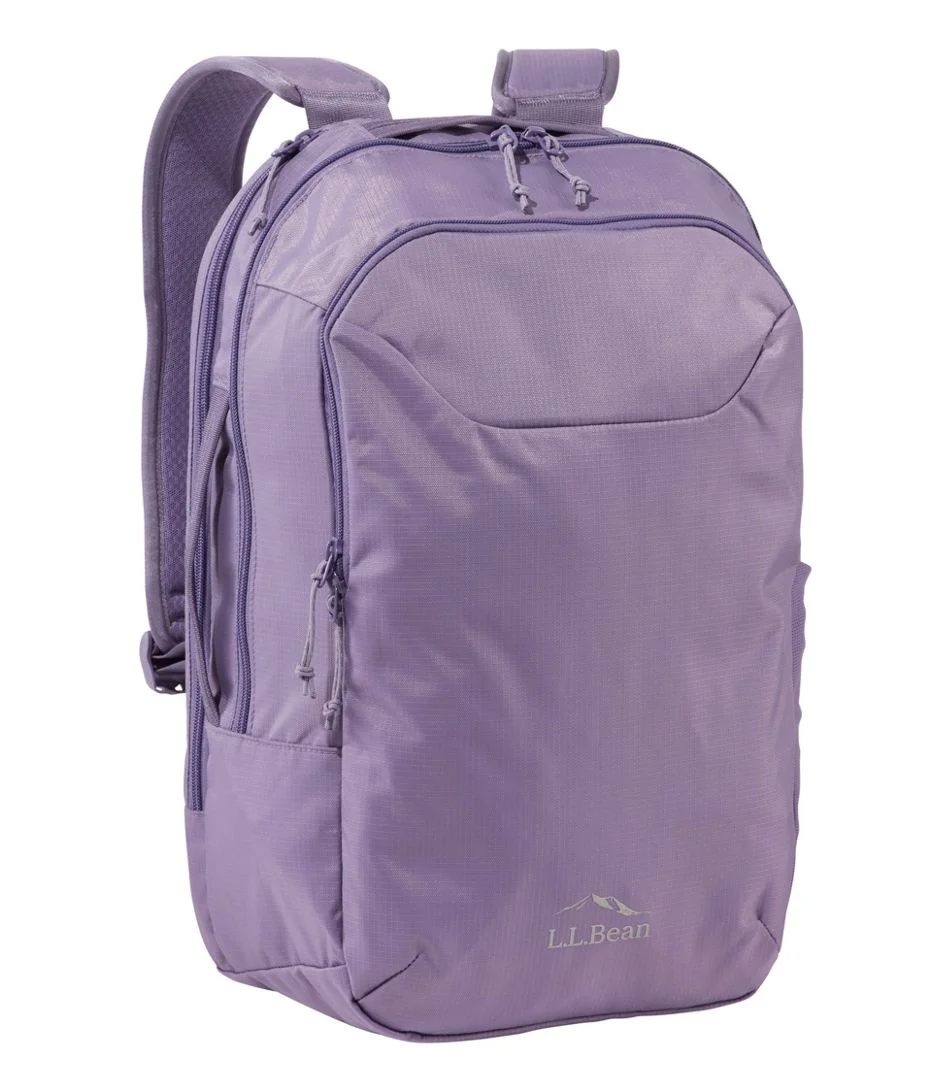
L.L. Bean Deluxe Book Pack
L.L. Bean Deluxe Book Pack
A classic school backpack, this one stands out for its durability and padding. The wide straps help spread weight across the shoulders, and the roomy compartments make it easier to organize books so the heaviest items sit closest to the spine. That feature alone reduces strain on children with scoliosis.
Backpack Add-Ons for Extra Support
Even the best backpack can benefit from a few simple accessories, especially for kids with scoliosis. On my backpack safety page, I recommend:
Waist straps: These help transfer weight from the shoulders to the hips, reducing spinal stress.
Chest (sternum) straps: Keep the pack stable and prevent slipping.
Padded straps and back panels: Improve comfort and reduce pressure points.
Water bottle holders: Keeping water accessible without adding weight inside the bag.
Rolling backpack option: For kids who can’t safely carry a backpack daily, this can be a helpful alternative.
Final Thoughts
For children with scoliosis, the “best” backpack isn’t just about the brand—it’s about size, fit, and features that encourage proper posture. Choosing a smaller pack with good weight distribution, padded straps, and stabilizing add-ons can make a significant difference in keeping your child comfortable and protecting their spine.
If your child has scoliosis and you’re unsure about what’s best for them, I encourage you to bring their backpack to your next appointment. Together, we can make sure it fits properly and supports their long-term spinal health.