
Understanding Sacroiliac Joint Dysfunction
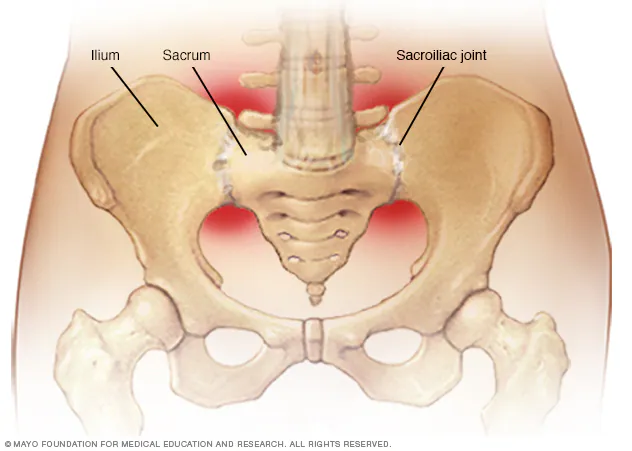
The sacroiliac (SI) joints are small but powerful joints located where your spine meets your pelvis. Each person has two SI joints, connecting the sacrum (the triangular bone at the base of the spine) to the iliac bones of the pelvis. These joints play an essential role in stabilizing the spine and transferring weight from the upper body into the lower extremities. Unlike the freely mobile joints in your arms and legs, the SI joints allow only limited motion—mostly a slight tilting and gliding—to provide both stability and shock absorption during walking, running, and lifting.
When the SI joint becomes irritated, inflamed, or unstable, the result is sacroiliac joint dysfunction. This condition is a common cause of low back pain, often mistaken for a lumbar disc problem or hip issue.

Causes of SI Joint Dysfunction
There are multiple reasons why the sacroiliac joints can become painful:
Trauma or injury – Falls, accidents, or lifting something heavy improperly can strain the joint.
Pregnancy – Hormonal changes increase ligament laxity, which can lead to instability.
Leg length discrepancy – Unequal loading across the pelvis puts stress on one joint.
Repetitive stress – Running, twisting, or prolonged sitting can irritate the joint.
Arthritis and degeneration – Over time, wear and tear can inflame the SI joint surfaces.
Symptoms of SI Joint Dysfunction
The hallmark symptom is pain in the lower back or buttock region, which may radiate into the hip, groin, or even the thigh. Many patients describe it as sharp, stabbing, or aching. The pain often worsens when standing up from a seated position, climbing stairs, or bearing more weight on one leg.
Other common signs include:
Tenderness directly over the SI joint
Pain aggravated by long periods of standing or sitting
Stiffness in the lower back and hips
Difficulty performing functional activities such as walking or running
Diagnosing
Diagnosing SI joint dysfunction can be challenging because its symptoms overlap with lumbar disc herniation, hip pathology, or even sciatica. Chiropractors and medical providers use a combination of:
Patient history and physical exam – Special orthopedic tests, like the FABER or Gaenslen’s test, can help reproduce pain specific to the SI joint.
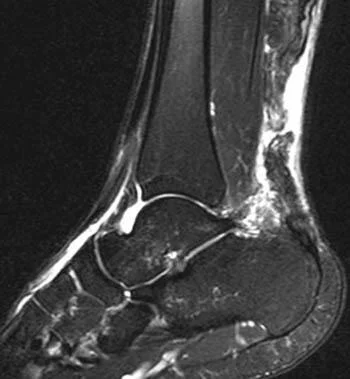
Diagnostic imaging – X-rays, CT scans, or MRI may be ordered to rule out other causes.
Diagnostic injections – In some cases, a physician may inject anesthetic into the joint to confirm it as the pain source.
Conventional Treatment Options
Traditional approaches to managing sacroiliac joint dysfunction include:
Anti-inflammatory medications to reduce pain and swelling
Steroid injections into the SI joint for short-term relief
Physical therapy focused on stabilization and strengthening
Radiofrequency ablation (in severe cases) to reduce pain signals
Surgical fusion (rare and only considered when all else fails)
Treatment at Simply Move Chiropractic
At Simply Move Chiropractic, I take a non-invasive, movement-based approach to treating sacroiliac joint dysfunction. Instead of just masking the pain, my goal is to restore proper joint mechanics, muscle balance, and stability.

Functional Movement Exercises
Strengthening the core, glutes, and hips is critical to long-term success. I provide individualized exercise programs that stabilize the pelvis and retrain healthy movement patterns.

Active Release Technique (ART)
This hands-on therapy releases tight or overworked muscles around the SI joint, including the gluteal muscles, piriformis, and hip flexors. By improving soft tissue function, we reduce strain on the joint.
Shockwave Therapy
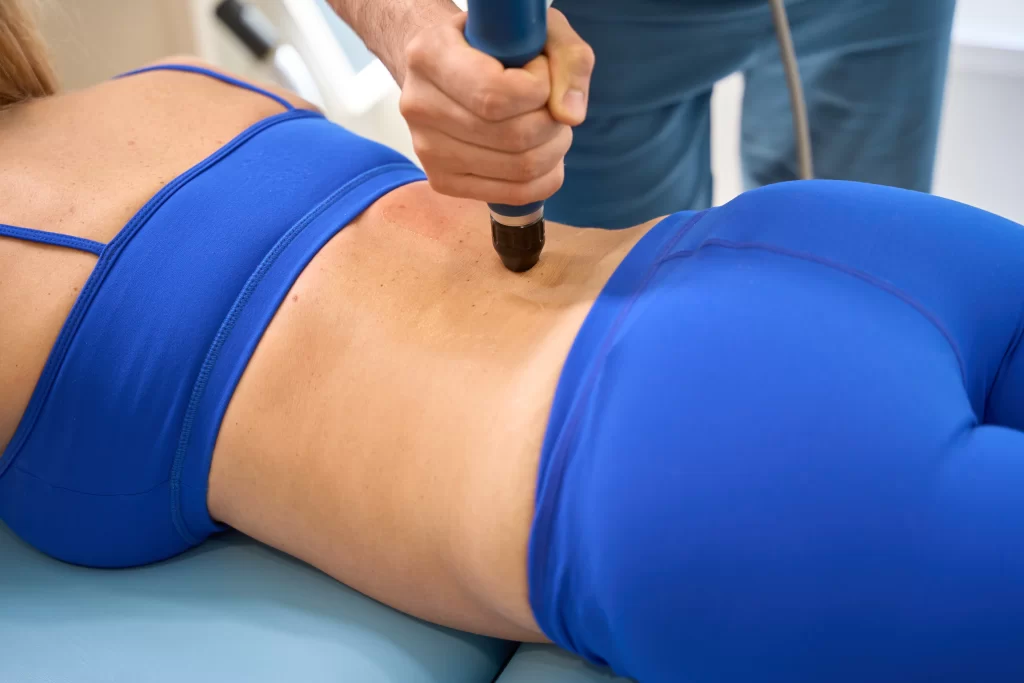
Radial shockwave stimulates healing and reduces chronic inflammation in the ligaments and tendons supporting the SI joint. Studies suggest it is effective for musculoskeletal pain and improving function.
KinesioTape
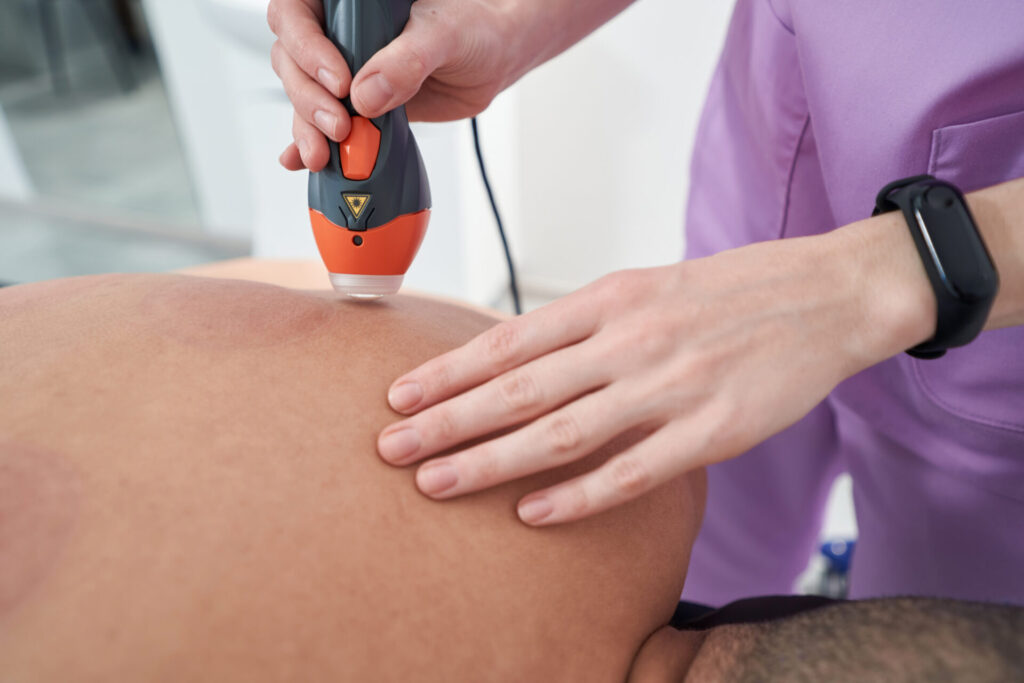
Applied strategically across the low back and pelvis, kinesiotape provides gentle support to the sacroiliac joint while still allowing normal movement. It helps reduce pain, improve proprioception, and stabilize the area during daily activities
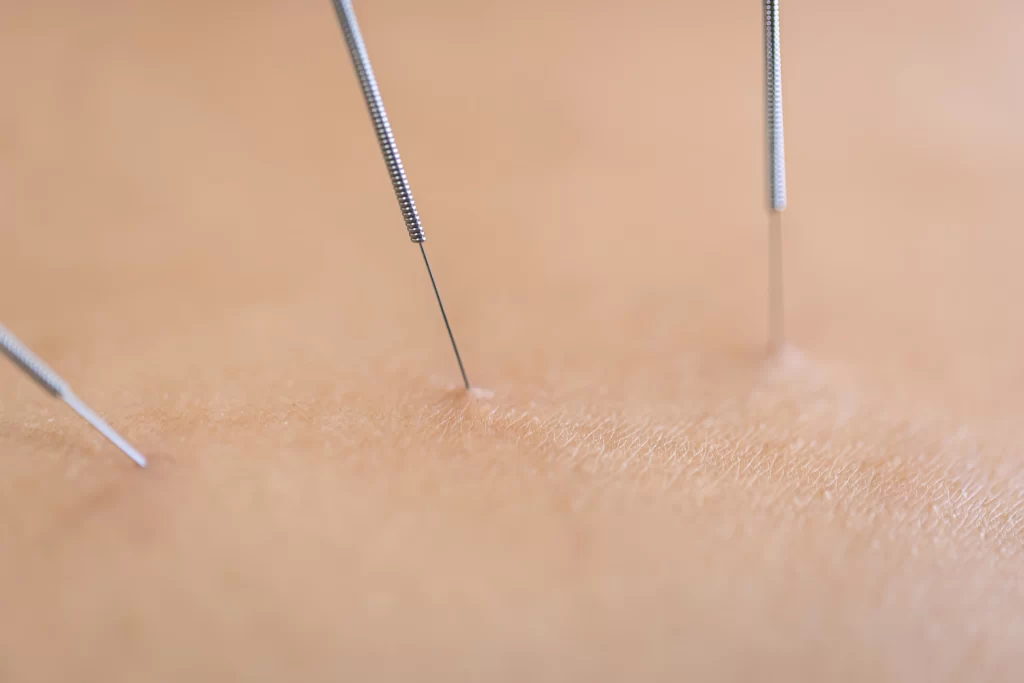
Dry Needle Therapy
y targeting trigger points in the glutes, piriformis, and lumbar stabilizers, dry needling decreases muscle tension that contributes to SI joint dysfunction.

Chiropractic Adjustments
Depending on your biomechanics, I may suggest temporary heel lifts, custom orthotics, or footwear changes to reduce tendon strain during recovery.
Research Supporting Conservative Care
A clinical study published in the Journal of Bodywork and Movement Therapies found that manual therapy combined with exercise significantly improved pain and function in patients with SI joint dysfunction (Al-Subahi et al., 2017). Another study in the Journal of Orthopaedic & Sports Physical Therapy reported that dry needling provided measurable pain relief and improved movement in patients with low back and pelvic pain related to SI dysfunction (Llamas-Ramos et al., 2014). Further research has shown kinesiotaping can decrease pain and improve function in patients with SI joint dysfunction (pubmed.ncbi.nlm.nih.gov).
Finding Relief in Charlotte
If you’re struggling with sacroiliac joint dysfunction, you don’t have to live with chronic low back or hip pain. At Simply Move Chiropractic in Charlotte, I use a combination of hands-on therapies, advanced technology, and functional movement strategies to help patients get lasting relief and return to the activities they love.