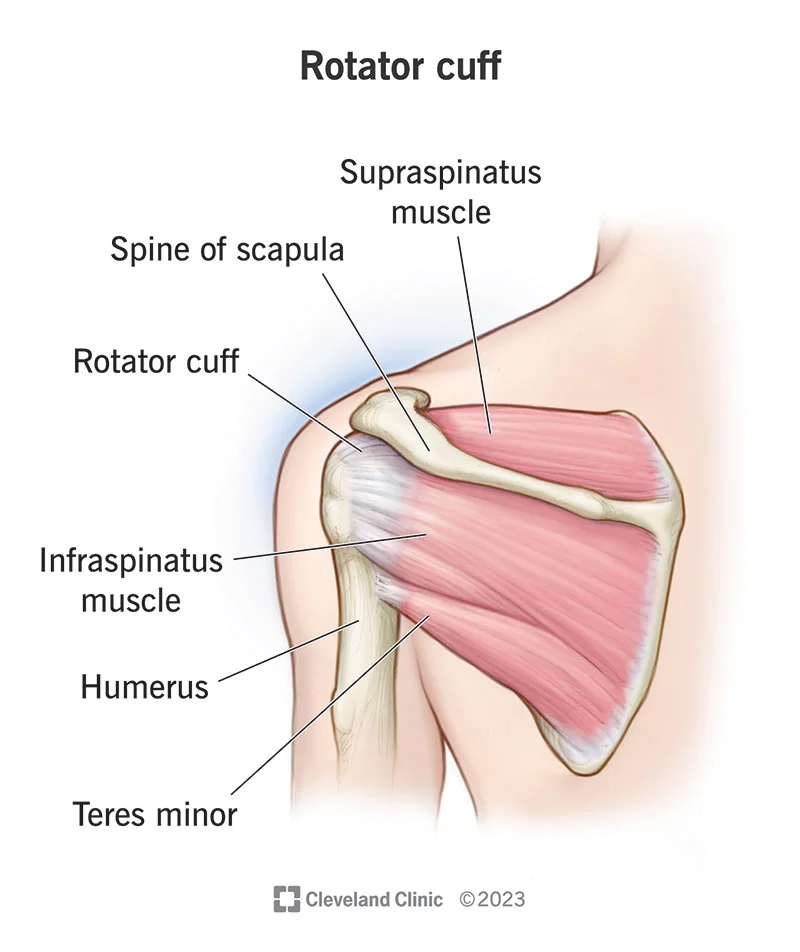
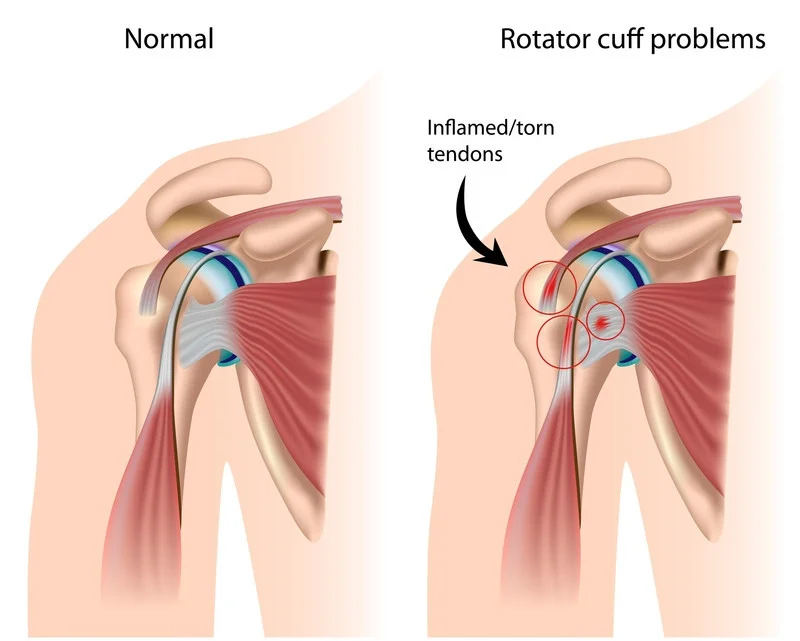
Rotator cuff tendinitis is inflammation of the tendons in the shoulder, often caused by repetitive overhead movement or poor posture. It’s common in athletes—especially swimmers, baseball players, and weightlifters—but also affects office workers and anyone doing repetitive reaching. Left untreated, it can limit shoulder motion and interfere with daily tasks like dressing, reaching, or sleeping on your side.
Harvard Health
Common Symptoms of Rotator Cuff Tendinitis
Dull, aching pain in the shoulder or upper arm
Pain that worsens with overhead activity
Weakness or difficulty lifting the arm
Pain when lying on the affected shoulder
Clicking or catching sensation with movement
Red flag: Sudden loss of shoulder mobility or strength may indicate a tear
How Rotator Cuff Tendinitis Is Diagnosed
I begin with a detailed history and physical exam to pinpoint the source of your shoulder pain. Diagnosis includes orthopedic tests like Neer’s, Hawkins-Kennedy, and resisted motion to assess which rotator cuff tendons are involved and to reproduce your symptoms. I also palpate the muscles and tendons of the rotator cuff and evaluate your shoulder movement and posture.
Before beginning treatment, it’s important to rule out a rotator cuff tear—especially if you’re experiencing weakness, limited range of motion, or a traumatic onset of pain. If a tear is suspected, we may refer you for imaging such as an MRI or diagnostic ultrasound to confirm the diagnosis. This ensures we provide the most appropriate care and avoid aggravating an underlying tear.
Conventional Treatment Options
Standard medical treatment typically includes rest, NSAIDs, corticosteroid injections, and physical therapy. While these approaches may reduce inflammation in the short term, they often don’t address the root causes—such as muscle imbalances, poor movement patterns, or postural strain—leading to recurring flare-ups.
Chiropractic and Conservative Treatments for Rotator Cuff Tendinitis
Chiropractic care can play a crucial role in restoring shoulder function. By improving joint mechanics in the shoulder, upper back, and neck, we relieve tension on the rotator cuff and reduce compensatory strain. Conservative treatment focuses on improving posture, mobility, and muscle coordination—all essential for long-term shoulder health.
My Treatment Approach at Simply Move Chiropractic
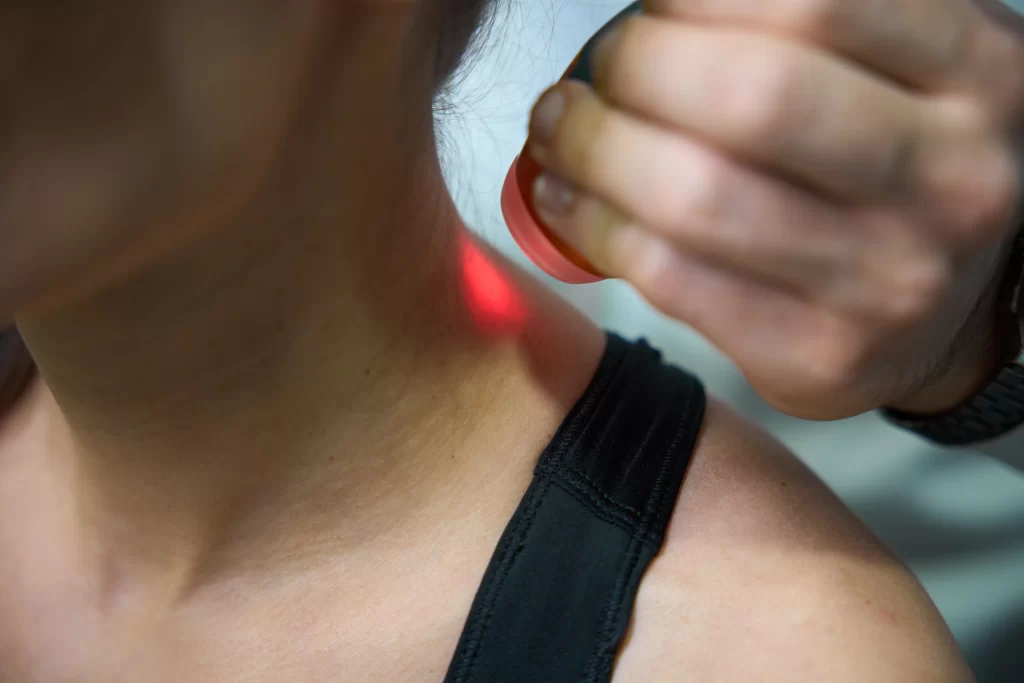
I take a one-on-one, personalized approach to treating rotator cuff tendinitis. Every session is hands-on and tailored to your needs. Treatment may include:
Chiropractic Manual Therapy
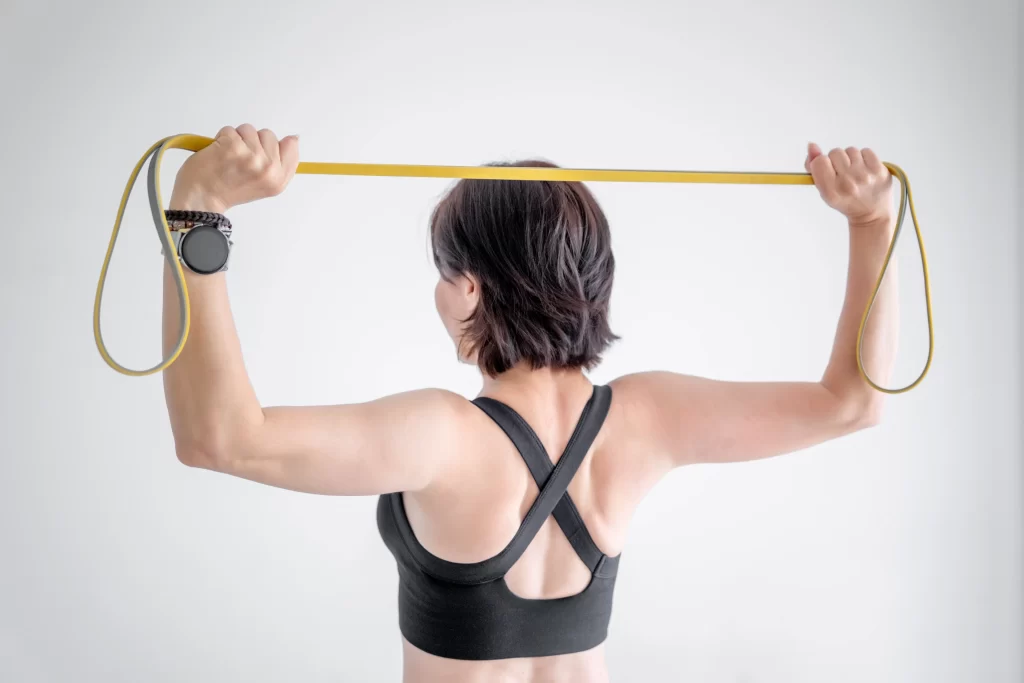
Joint mobilization and corrective exercise help to restore normal movement.
If shoulder pain is limiting your workouts, work routine, or sleep, don’t wait. Early treatment leads to faster recovery and helps prevent more serious injury like tendon tears or frozen shoulder. At Simply Move Chiropractic, we’re here to help you move better—without relying on painkillers or unnecessary imaging.