At Simply Move Chiropractic here in Charlotte, I see many patients who come in with stubborn neck pain, shoulder tension, or tingling in the arm. These symptoms often point to a cervical disc herniation—a condition that can make even simple tasks like looking over your shoulder or sleeping comfortably a challenge.
Understanding Cervical Herniated Discs
Your cervical spine (neck) consists of seven vertebrae stacked on top of one another, separated by discs that act as cushions and spacers. Each disc is made up of a tough outer layer (annulus fibrosus) and a gel-like center (nucleus pulposus). A herniation happens when the center pushes through a weak spot or tear in the outer layer. This protrusion can press on spinal nerves or even the spinal cord, causing localized pain or radiating symptoms.
Not all herniations are the same. Some are small and cause mild discomfort, while others are large enough to produce significant nerve compression and neurological symptoms. The location of the herniated disc—often at C5-C6 or C6-C7—will determine the specific pattern of pain or weakness.
How Is It Diagnosed?
When I evaluate someone for a suspected cervical disc herniation, I start with a detailed history and physical exam. Certain orthopedic and neurological tests can help me determine which nerve roots may be involved. If your symptoms are persistent, worsening, or show signs of nerve damage, I’ll refer you for imaging—usually an MRI—to confirm the diagnosis and assess the severity of the herniation.
Symptoms to Watch For
Gradual onset of shoulder pain
Significant loss of shoulder mobility
Pain that worsens at night
Difficulty reaching behind the back or overhead
Muscle tightness and guarding around the shoulder
RED FLAGS:
When to Seek Immediate Help
In rare cases, a cervical disc herniation can compress the spinal cord, leading to more serious symptoms. If you experience:
Sudden onset of bladder or bowel changes
Problems with balance or walking
Difficulty with fine motor skills
Loss of coordination in hands or feet
..it’s time to seek emergency medical attention.
How I Treat Cervical Disc Herniation
My goal is always to help you avoid surgery when possible by using effective, non-invasive treatments tailored to your condition. Here’s how I approach it:
Chiropractic Adjustments
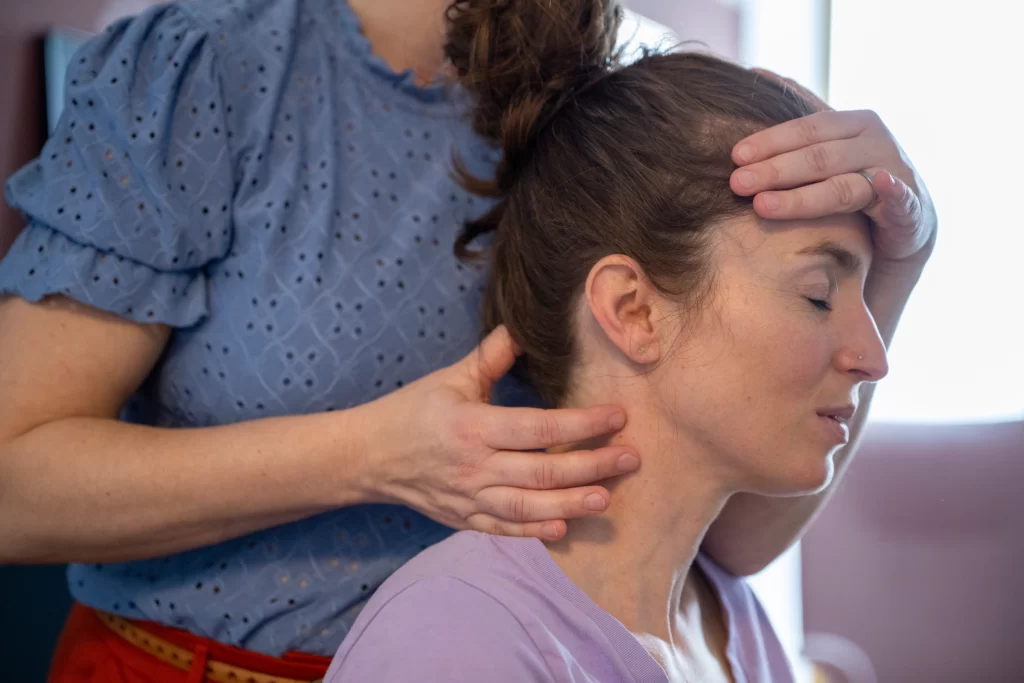
Gentle manual adjustments can restore proper motion to the cervical spine and relieve pressure from irritated joints and nerves.
I use ART to release tension and adhesions in muscles like the scalenes, levator scapulae, and trapezius, which often become tight and irritated in response to disc pain.
Once pain starts to ease, we focus on restoring posture and neck mobility to reduce the chance of recurrence. I may incorporate DNS-inspired rehab or McKenzie-based exercises to strengthen your deep neck flexors.
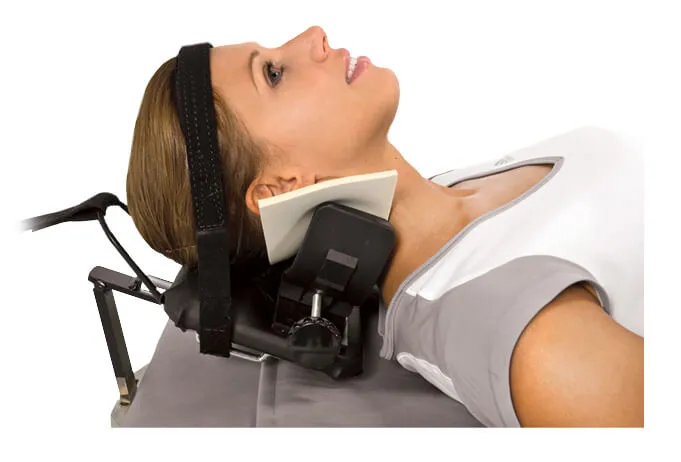
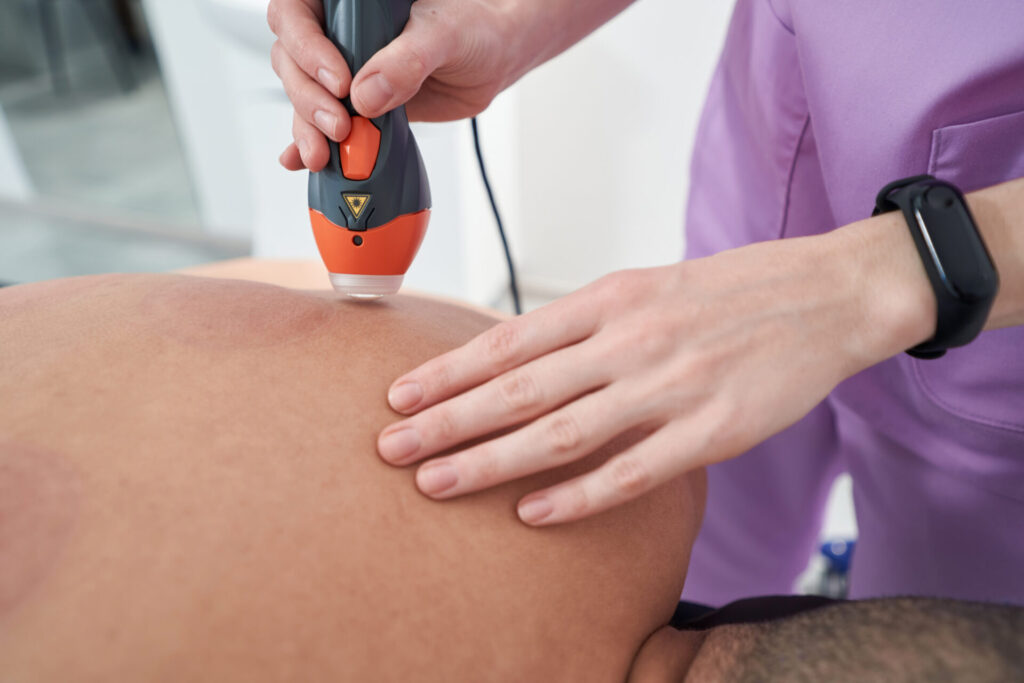
No two cases of cervical disc herniation are exactly alike. Some patients may respond quickly to traction and manual therapy, while others may need more emphasis on laser therapy or dry needling to relieve muscle tension and nerve irritation. That’s why I tailor each treatment plan to your specific symptoms, medical history, and goals. Whether you’re an active professional, a stay-at-home parent, or someone managing chronic stress and posture strain, your care plan will be customized to fit your needs—not just a one-size-fits-all approach.
Long-Term Relief Is Possible
If you’ve been told you have a cervical disc herniation—or suspect you might—I want you to know that there are effective, non-surgical solutions available. My one-on-one approach ensures you get the time and attention needed to address the root cause, not just the symptoms.
If you’re in the Charlotte area, contact Simply Move Chiropractic to schedule an evaluation. Let’s work together to get your neck—and your life—moving again.