Scoliosis isn’t just a condition that affects kids and teens. Many adults develop scoliosis later in life or discover that a mild curve from adolescence has progressed over time. Whether it’s related to aging, past injuries, or years of compensation, adult scoliosis can lead to pain, postural changes, and even nerve irritation. Treatment options depend on the cause and severity of the curve and may include a combination of targeted rehabilitation and bracing. For some people, the best course of action may be to monitor the spine rather than actively treat it. The key is knowing when to act and what tools are available.
What Causes Scoliosis in Adults?
There are two primary causes of adult scoliosis:
-
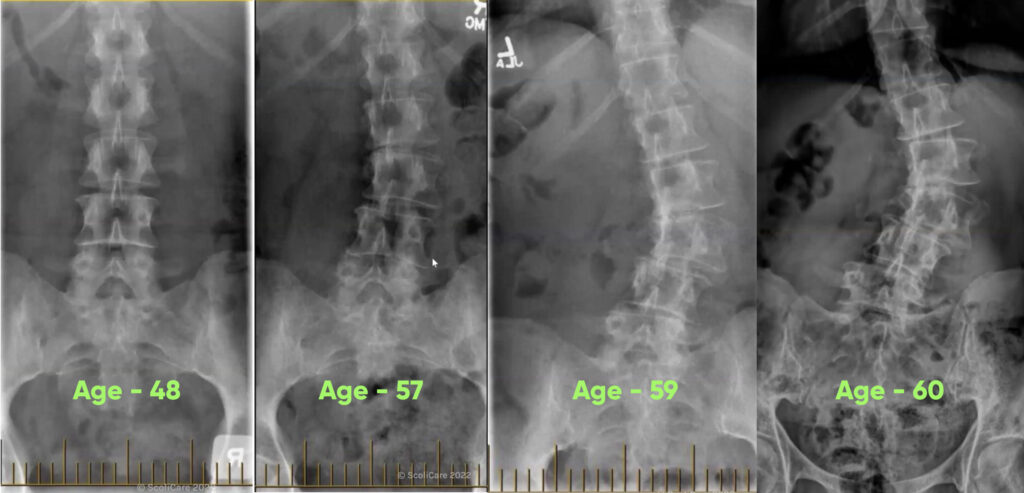
Degenerative (de novo) scoliosis, which develops as a result of spinal wear and tear. As the discs and joints in the spine age, they can become unevenly compressed, leading to a sideways curvature. This typically develops after age 50 and may be accompanied by pain, fatigue, or a leaning posture.
-
Progression of adolescent idiopathic scoliosis (AIS), where an existing curve from teenage years gradually worsens. While many teens never need bracing or surgery, these curves can become more noticeable with age, especially during periods of immobility, hormonal change, or spinal stress.
Both types can affect daily activities and quality of life, even if the curve isn’t dramatic. Postural imbalance, muscle strain, and nerve symptoms are common complaints in adult cases.
How ScoliBalance Can Help
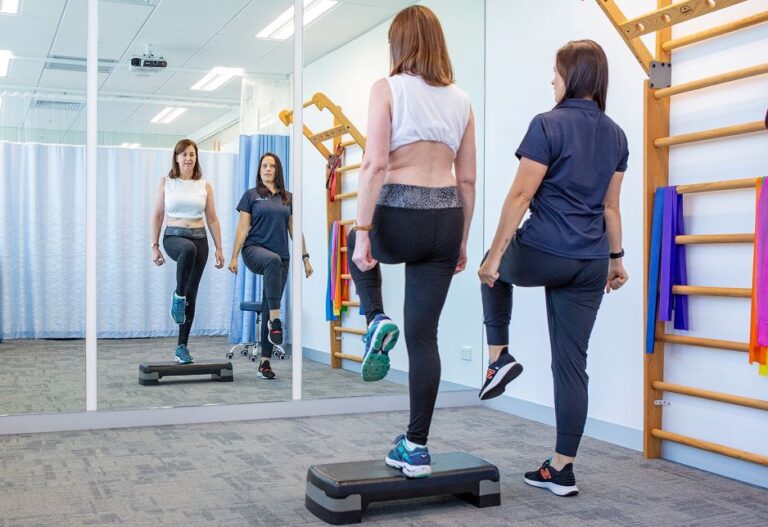
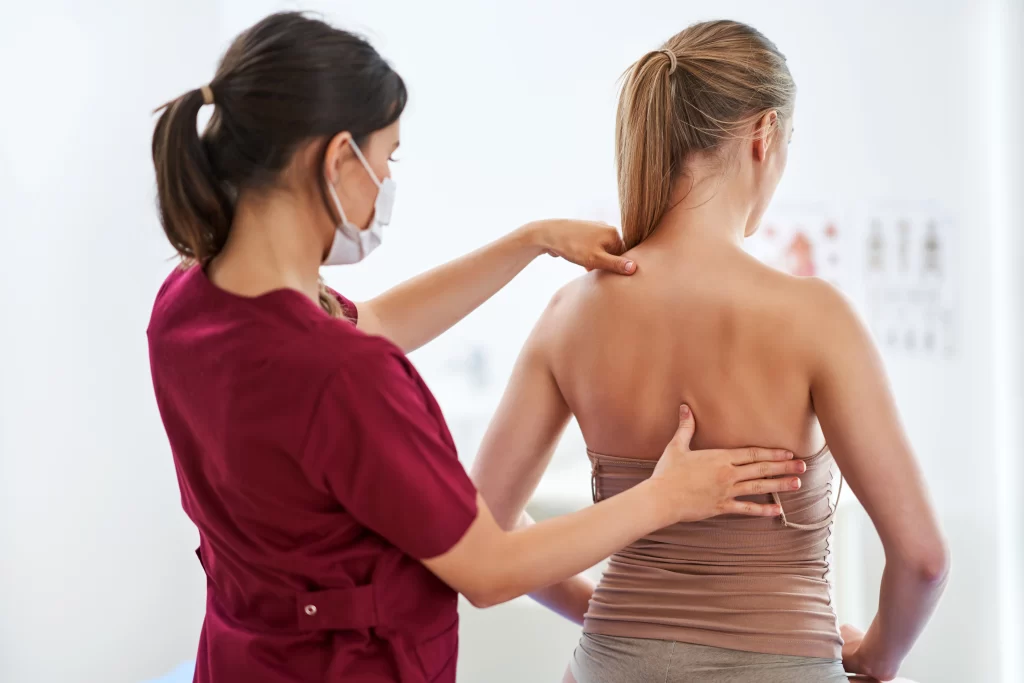
ScoliBalance is a customized, scoliosis-specific exercise program designed to improve posture, movement control, and overall spinal function. Unlike general physical therapy or stretching, ScoliBalance is tailored to your specific curve type and body mechanics. It draws from proven methods like the Schroth approach while incorporating postural re-education, core strengthening, and balance training.
For adults, ScoliBalance can:
-
Decrease back pain and fatigue
-
Improve postural symmetry
-
Build spinal stability and control
-
Slow or stop curve progression over time
It’s especially effective for those with mild to moderate scoliosis, or for adults who are active and motivated to participate in a home exercise program. Over time, these movements retrain the brain and body to support better spinal alignment and posture during everyday life.
How ScoliBrace Can Help
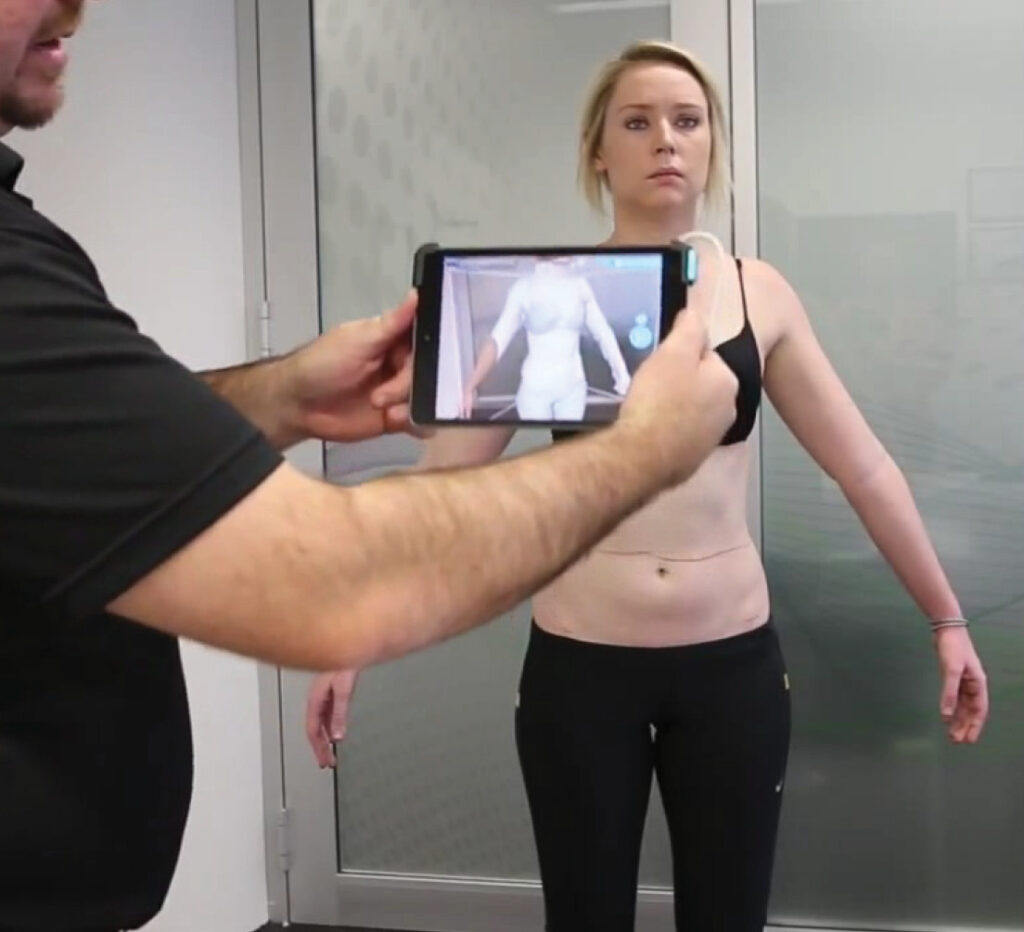
ScoliBrace is a custom-made, 3D corrective brace designed to support and improve spinal alignment. It’s different from the rigid braces of the past—this is a dynamic, posture-based brace created using digital imaging, surface scans, and clinical measurements. The goal isn’t just to hold the spine in place—it’s to actively guide it toward a more optimal position.
For adults, ScoliBrace can be especially helpful in cases where:
-
The spinal curve is more significant (often over 30–40 degrees)
-
Postural collapse or leaning is interfering with daily function
-
Pain increases with standing or walking
-
Visual changes in posture are causing concern
Worn part-time (often 4–6 hours daily), the brace provides both structural support and corrective force. It’s designed with comfort in mind, so patients are more likely to wear it consistently.
Providers without this training often refer patients out—or worse, skip bracing entirely, even when it could make a significant difference.
When They Work Best Together
While both tools can be used independently, many adults benefit most from combining ScoliBalance and ScoliBrace. The brace offers immediate postural support and corrective guidance, while the exercise program helps retrain muscles and movement patterns to sustain those changes.
Here’s how they complement each other:
-
ScoliBrace holds the spine in a more ideal position, reducing strain and improving body symmetry.
-
ScoliBalance helps the nervous system learn how to maintain better alignment once the brace is off.
-
Over time, this combined approach may reduce brace wear time while preserving functional improvements.
Using both together is especially helpful in moderate to severe curves, visible postural changes, or when bracing alone doesn’t address muscle weakness and movement habits.
I always strive to be honest about what’s realistic for your specific case—including the possibility that surgery may be necessary, especially in severe or rapidly progressing curves. A good provider will never guarantee outcomes—they’ll focus on helping you take proactive steps to manage your curve.
Why “Watching and Waiting” Isn’t Always the Best Option
While some adults are told to simply monitor their scoliosis, taking a passive “watch and wait” approach may allow the curve to slowly worsen—especially with age, inactivity, or spinal degeneration. Even mild curves can lead to stiffness, fatigue, and compensatory muscle strain over time.
Being proactive, even with a small curve, can help preserve posture, reduce discomfort, and prevent progression. Early intervention with a targeted rehab program, supportive bracing, or both can make future issues easier to manage and may reduce the need for more aggressive treatments down the road.
If you’ve been told to just monitor your scoliosis, it’s worth seeking a second opinion and exploring conservative options that support long-term spine health.
Early action leads to better long-term outcomes. A provider who helps you stay proactive is one who truly understands how scoliosis behaves.
Final Thoughts
Adult scoliosis doesn’t always follow a predictable path—but modern tools give us more options than ever before. Whether your curve developed with age or has progressed since youth, individualized care makes a difference. ScoliBalance and ScoliBrace offer effective, conservative treatment options that can work independently or hand in hand. And sometimes, the best treatment is simply staying informed and keeping a close eye on your spine.
If you’re noticing changes in your posture or have concerns about scoliosis, a thorough evaluation can help determine the right strategy—whether that means bracing, rehabilitation, or simply monitoring your progress over time.