
Migraine Treatment in Charlotte, NC: A Comprehensive Guide
At Simply Move Chiropractic in Charlotte, NC, I find many patients struggle with—migraine headaches. Migraines can be debilitating, affect your quality of life, and often leave patients feeling frustratedMigraine headaches are among the most disabling neurological conditions I see in practice. They often go beyond a “bad headache” and can disrupt work, family life, and well-being. My goal with this article is to explain what migraines really are, how we diagnose them in the clinic, what red flags to watch for, and the evidence-based treatments I use — including Active Release Technique (ART), corrective exercises, red laser therapy, and dry needling.
What Is a Migraine Headache?
A migraine is a complex neurological disorder characterized by recurrent throbbing or pulsing head pain, usually on one side of the head. Migraines can be accompanied by nausea, vomiting, and sensitivity to light and sound. Some patients experience visual changes or “aura” before the headache phase begins. A typical migraine can last 4 to 72 hours if untreated. Unlike tension headaches, migraines are often moderate to severe and worsen with physical activity.
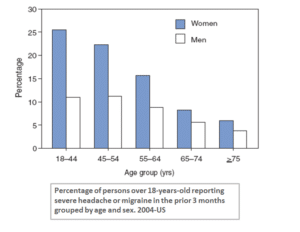
Common Causes and Referrals
The exact mechanism behind migraines isn’t fully understood, but migraines involve complex chemical and neurological changes in the brain. The trigeminovascular system, a network of nerves and blood vessels supplying the meninges and scalp, plays a central role in migraine pain pathways and biochemical signaling.
Muscle tension, especially in the neck and upper shoulders, can also contribute. Tight muscles in the suboccipital region or referral from muscles like the sternocleidomastoid can trigger or worsen migraine pain due to nerve irritation.
Symptoms Patients Often Report
Classic migraine symptoms include:
Moderate to severe, throbbing head pain
Sensitivity to light and sound
Nausea or vomiting
Pain that gets worse with activity
Aura (like flashing lights or blind spots)
Because migraines can mimic other serious conditions, it’s important to recognize when symptoms may be a red flag. If you experience a sudden, severe headache unlike any before, weakness, confusion, fever, stiff neck, or loss of consciousness, seek emergency care immediately.
How I Diagnose Migraines in My Office
In our Simply Move Chiropractic office, I do a comprehensive assessment that includes:
Detailed health history – understanding your symptoms and triggers
Postural and spinal evaluation – checking for musculoskeletal contributors
Neurological screening – to assess nerve function
Motion and range of motion tests – identifying restrictions or tension patterns
This helps me distinguish migraines from tension headaches, cervicogenic headaches, and other causes while tailoring the best care plan for you here in Charlotte.
Treatment Options I Use — With Supporting Evidence
ART is a hands-on soft tissue therapy that targets tight muscles, adhesions, and trigger points contributing to referred pain into the head and neck. While specific large clinical trials on ART for migraine are limited, manual therapies and muscle-focused interventions — including soft tissue work and postural correction — have been shown to reduce headache intensity and frequency in migraine and cervicogenic headache patients.
ART can improve muscle function, reduce tension, and restore normal movement patterns, which in many patients translates to fewer headache episodes and less disability.
Evidence supports the use of therapeutic exercise and manual therapies to reduce headache intensity and frequency. Studies show that combining corrective exercises with manual therapy leads to short-term improvements in migraine symptoms, quality of life, and reduced medication use.
These exercises focus on:
Postural strengthening
Neck and shoulder stability
Cervical range of motion
Movement pattern retraining
These corrections help unload strained muscles that often trigger headaches.
Red laser therapy (also called photobiomodulation) uses low-level lasers to stimulate cellular healing, reduce inflammation, and improve circulation. While evidence in migraine specifically is still emerging, some trials show reduced headache days, intensity, and medication use in chronic migraine sufferers treated with low-level lasers compared with placebo or other treatments.
Dry needling targets myofascial trigger points in muscles that refer pain into the head and neck. Research indicates:
Dry needling can reduce headache intensity and related disability in tension-type and cervicogenic headache patients.
A clinical trial showed that needling of trigger points in neck muscles significantly decreased migraine frequency and pain duration compared with control groups.
While evidence specifically on migraines is still evolving, multiple systematic reviews conclude that dry needling is safe and can be an effective adjunctive therapy when combined with other treatments for headache relief.
Putting It All Together
Migraines are complex and sometimes resistant to standard medication alone. At Simply Move Chiropractic, I tailor treatment plans using a combination of manual therapy, exercise, red laser therapy, and dry needling, based on the latest evidence. My focus is on treating underlying musculoskeletal contributors, improving function, and helping you live better with fewer headaches.
If you suffer from migraine headaches in Charlotte, NC, let’s work together to find lasting relief — without over-reliance on medication.